Dunes, lagoons and a fishing village inside a national park, with the trade winds blowing half the year. Jericoacoara and nearby Preá are on every kiter's list, and the rules here already decide who rides where.
Local governments and environmental agencies set the terms. The chapter works with them, not around them.
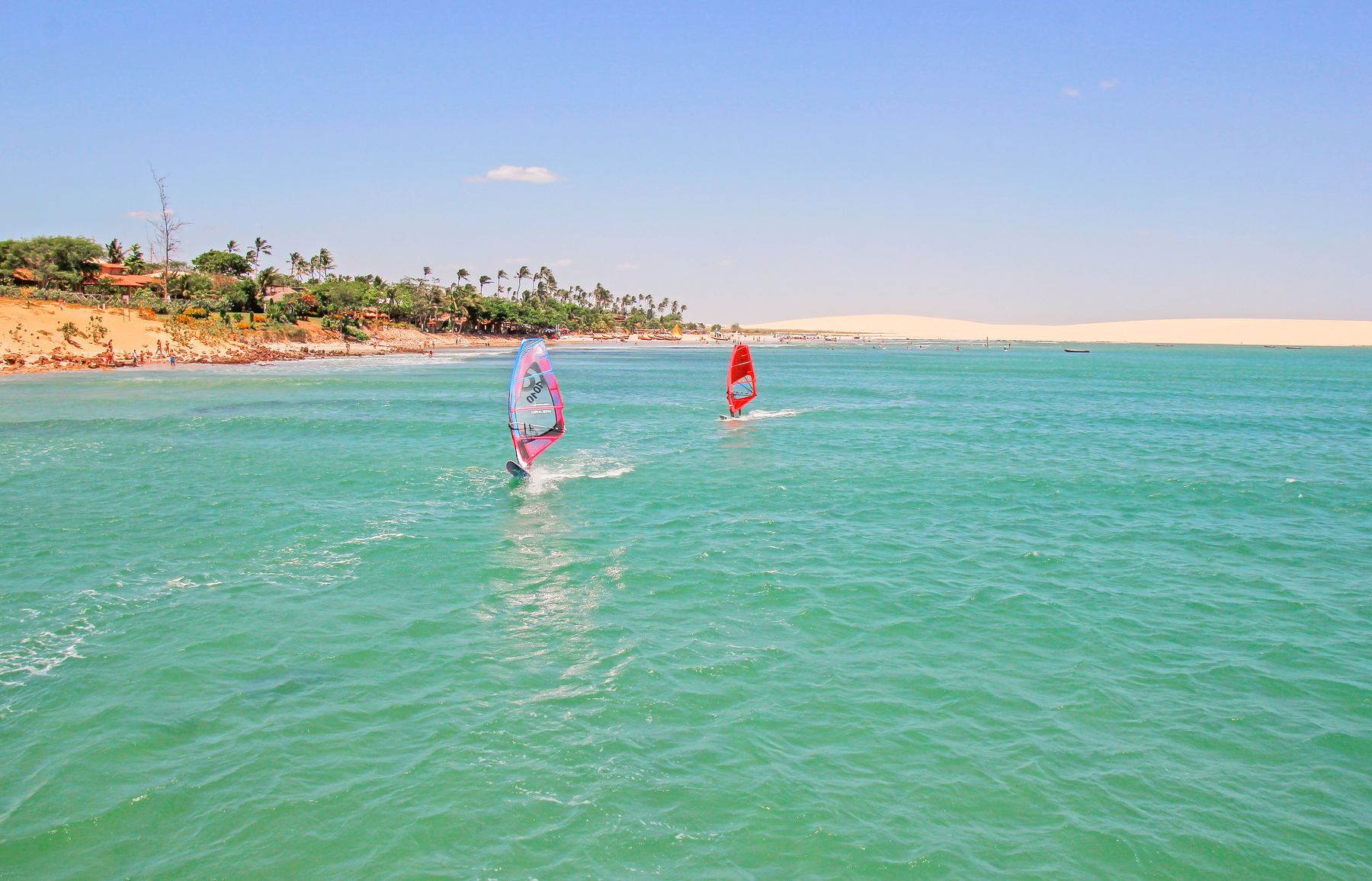
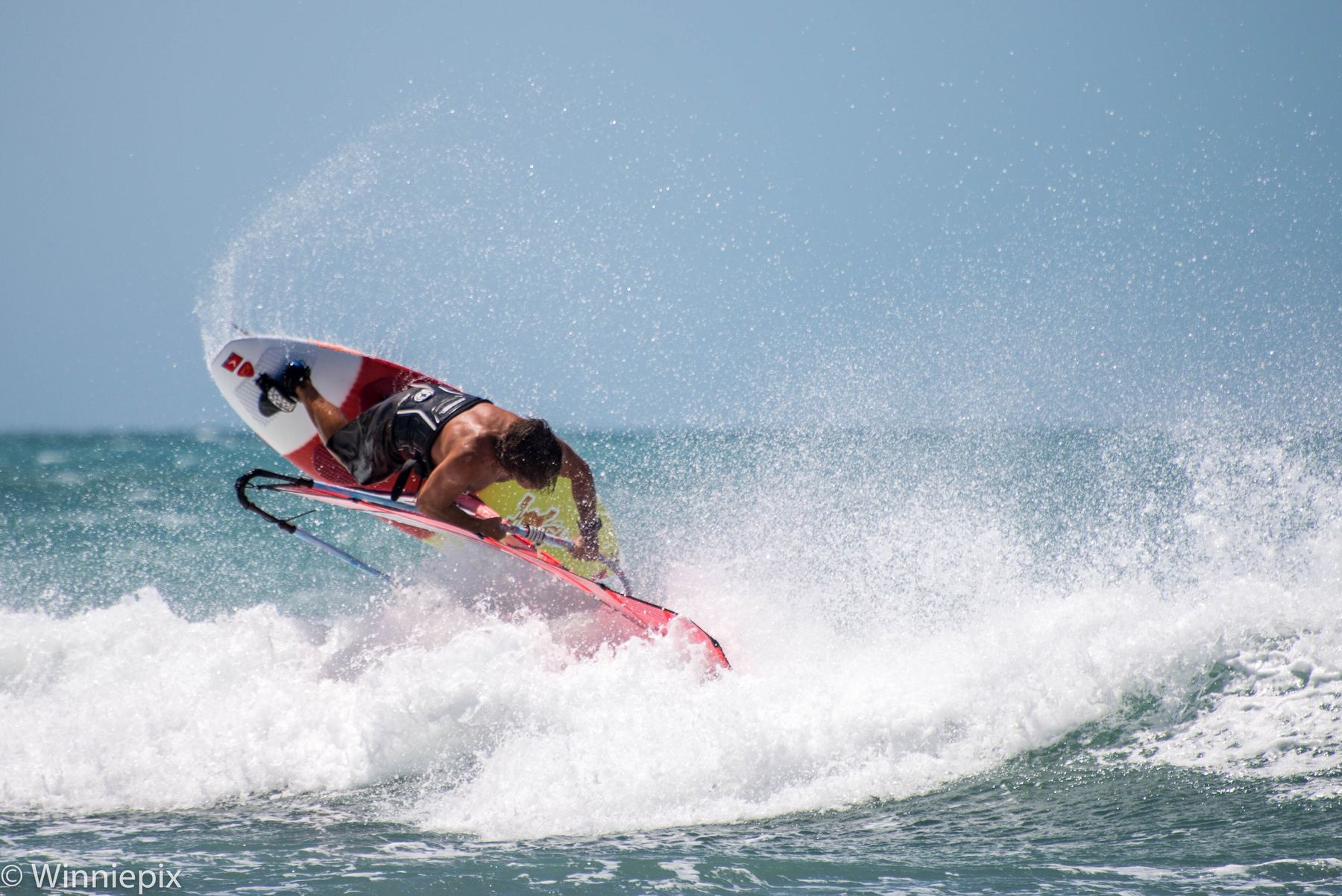
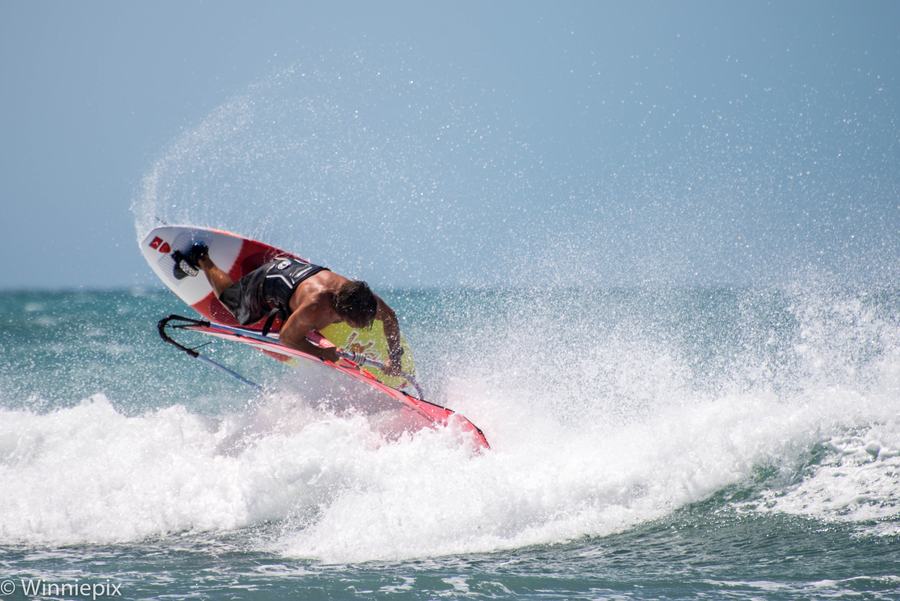
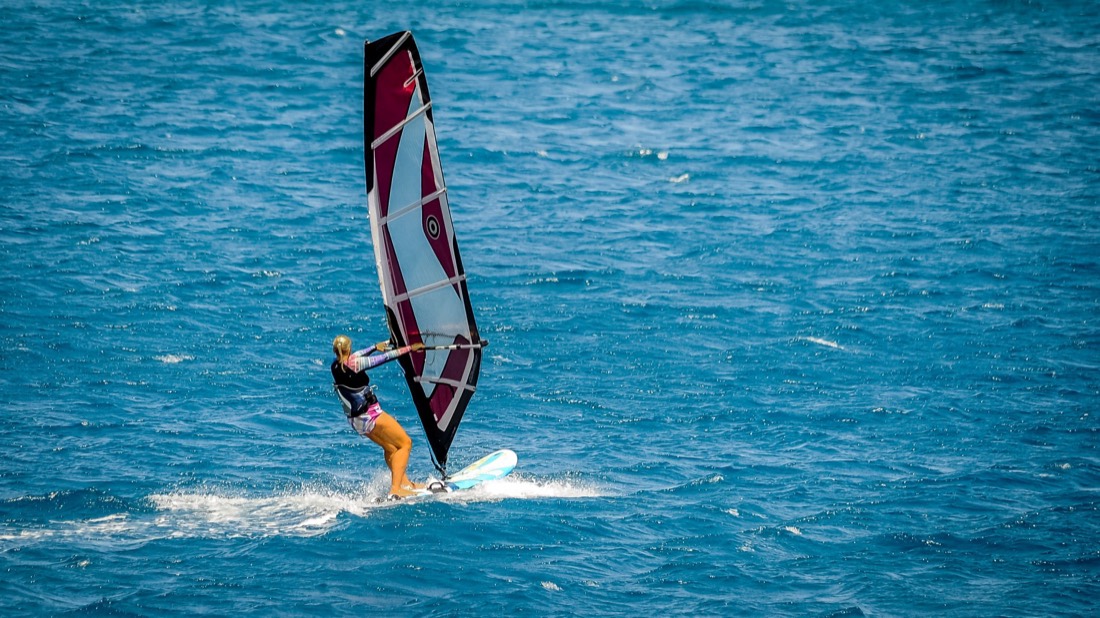
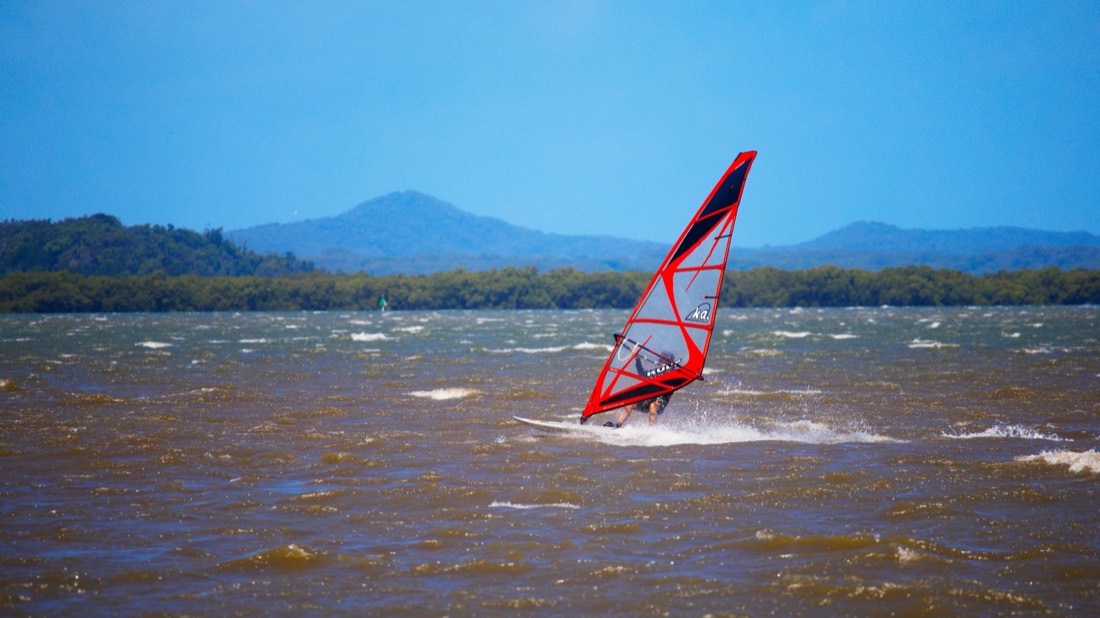
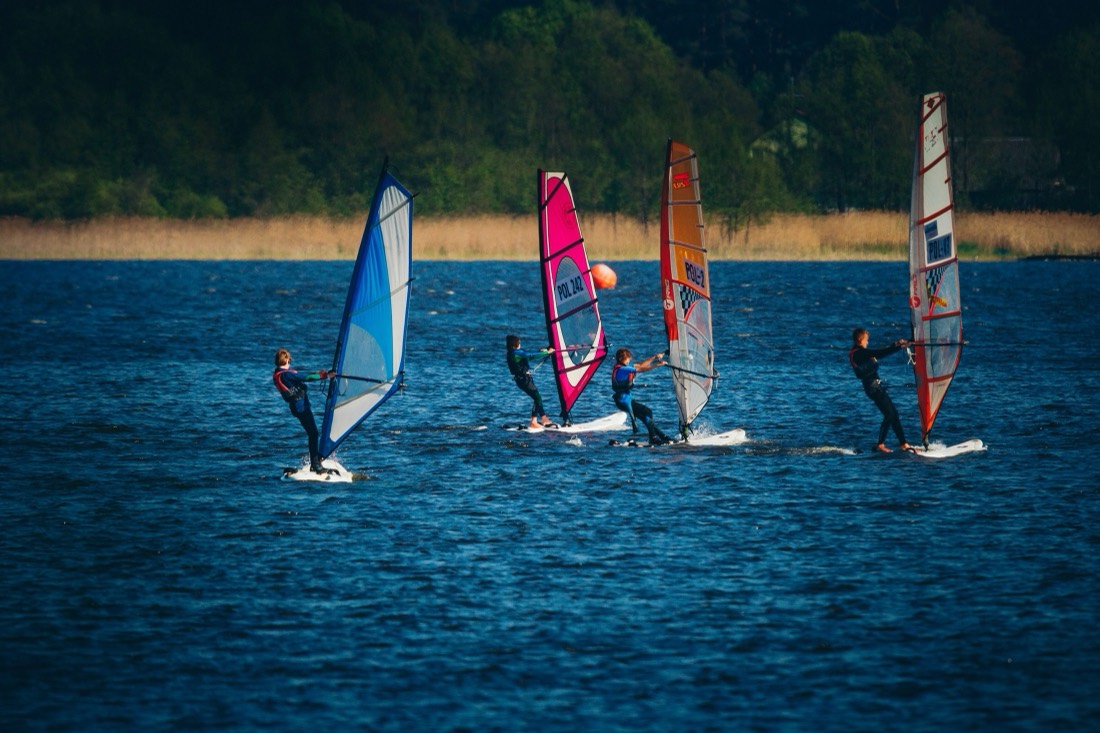
Kiting is not allowed on Jericoacoara's main beach, which is kept for windsurfers. The only kite spot in town is off the dunes, gusty and not for beginners.
Visitors to Jericoacoara pay a municipal sustainable tourism fee.
Private vehicle traffic is restricted in the village; people move by accredited 4x4, buggy or on foot.
Jericoacoara is in the municipality of Jijoca de Jericoacoara, Ceará, about 300 km from Fortaleza's airport. Jericoacoara Regional Airport, in Cruz, is about 30 km away.
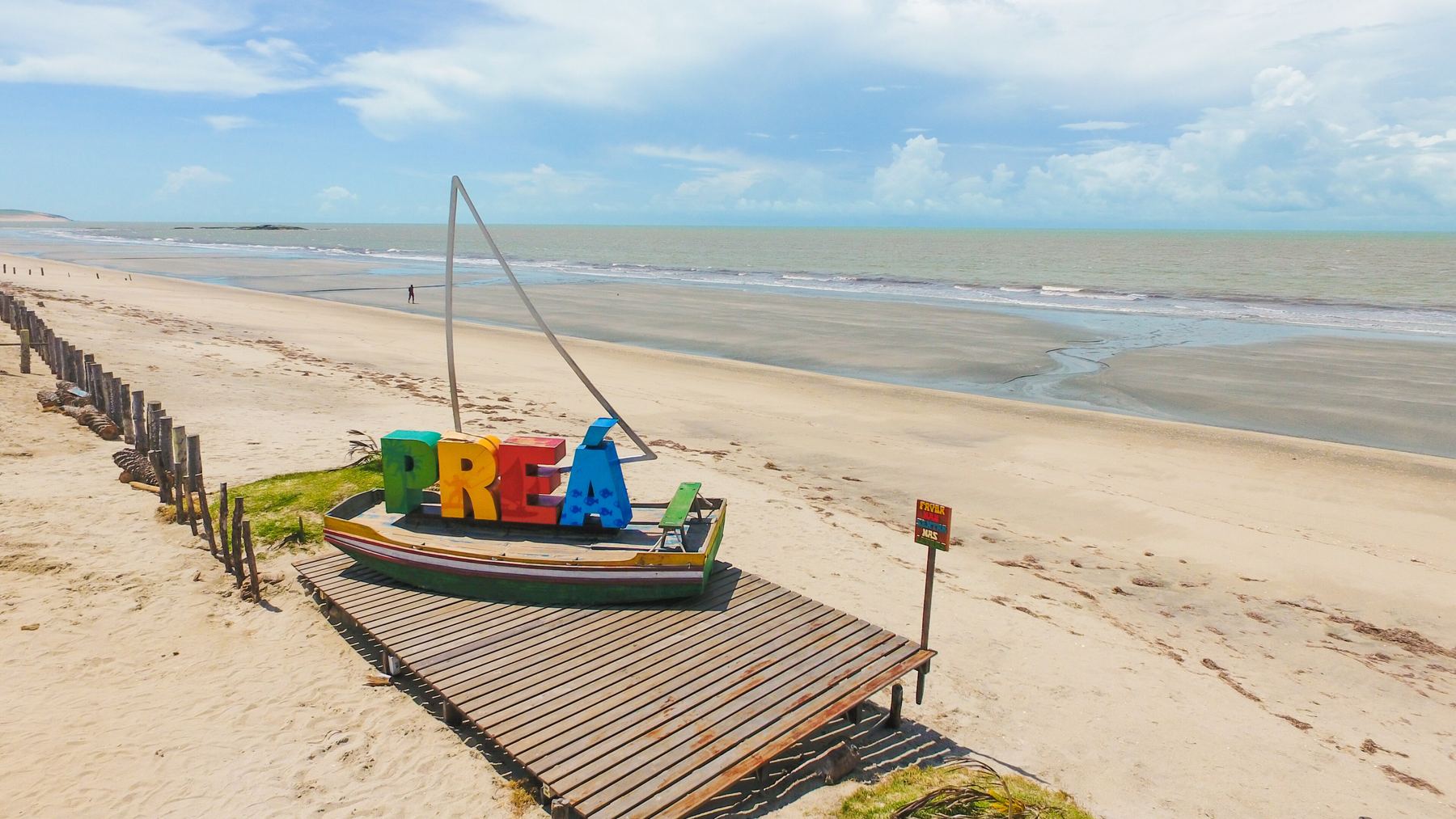
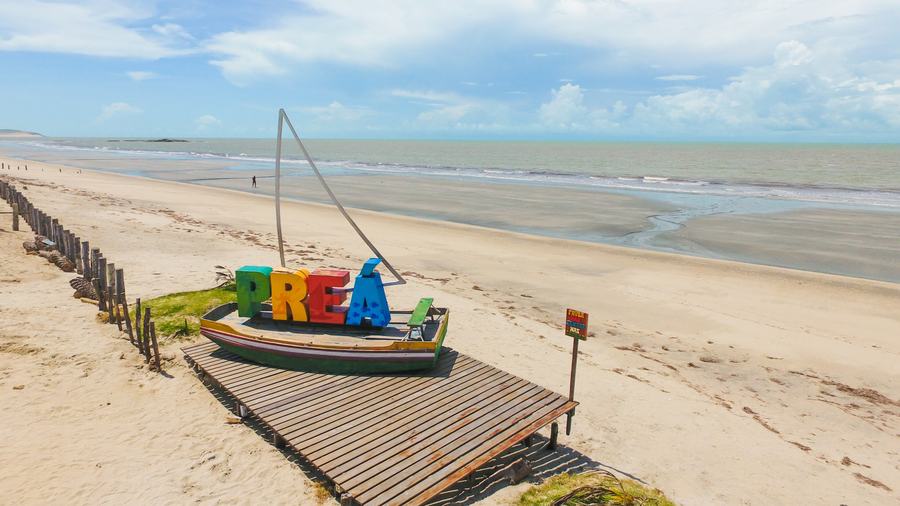
Preá Beach is about 12 km east of Jericoacoara.
The last stretch is sand road: 4x4s, buggies or accredited transfers only.
Watch for boats, rocks and buildings near the beach at Preá; less experienced riders should go with a group or organised buggy.
Check lagoon depth with a few passes before trying tricks.
Rancho do Kite runs a school at Preá; KiteWorldWide runs a kite center at Tatajuba.
Sources: Jornal de Brasília; IKSURFMAG; MacKite; KiteWorldWide
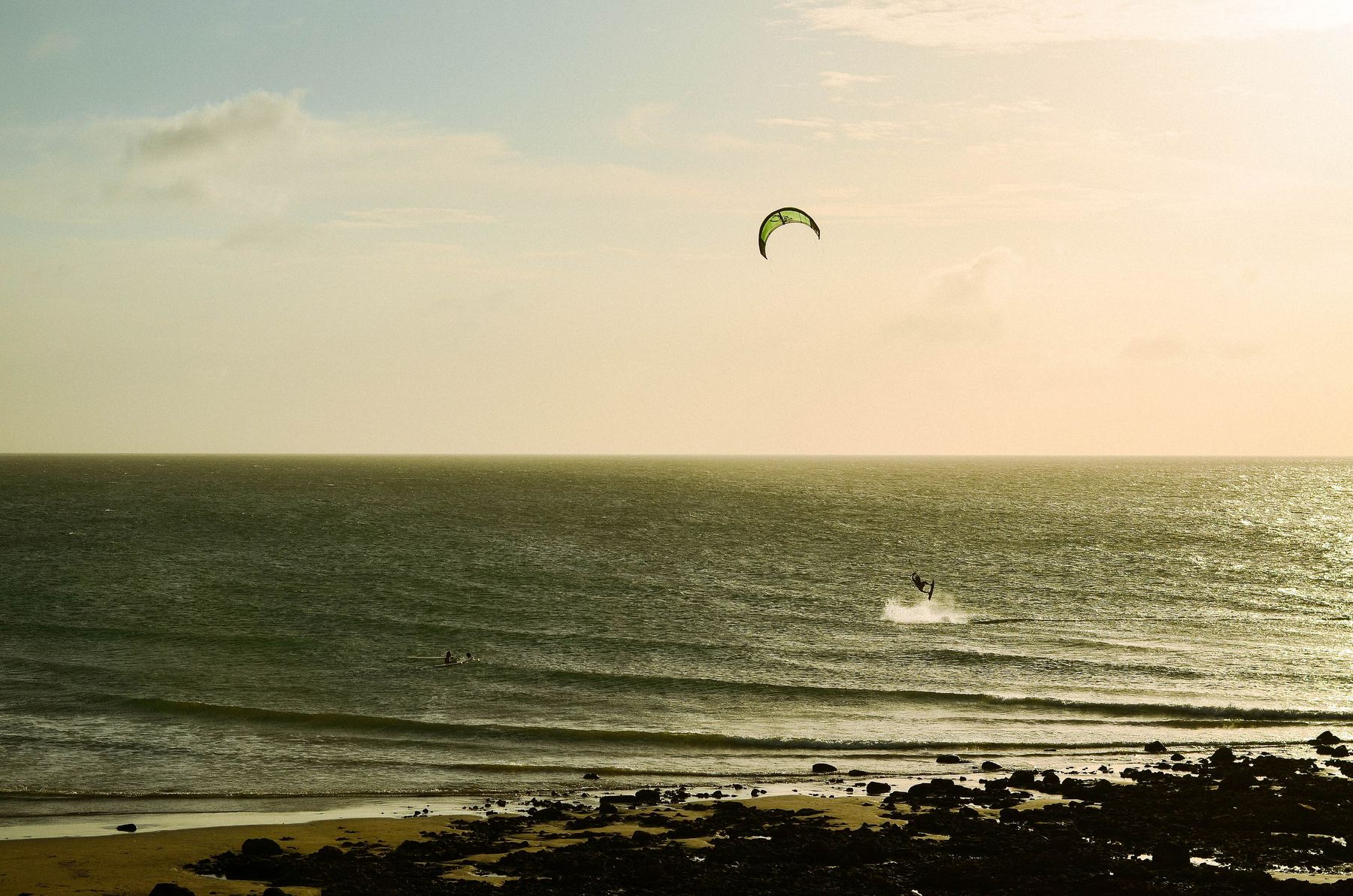
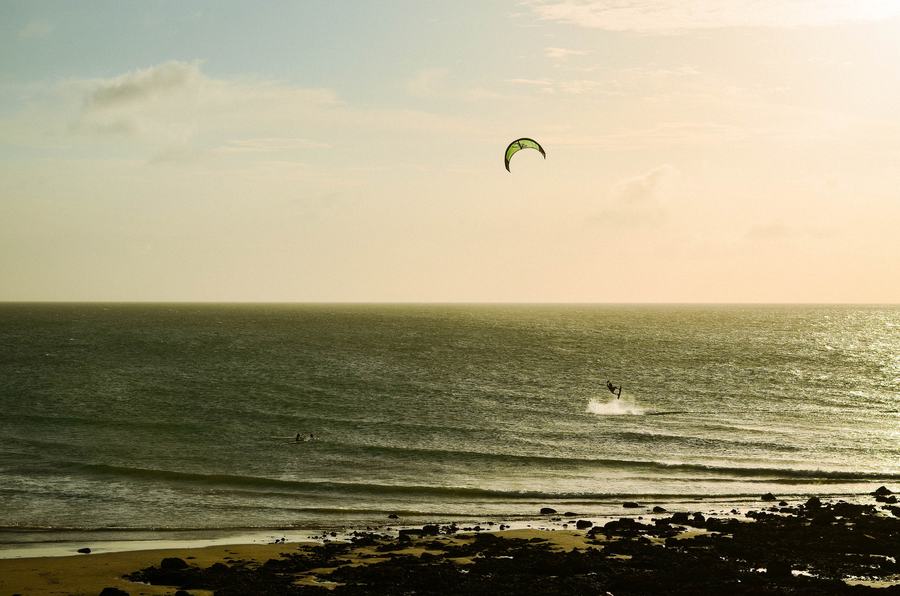
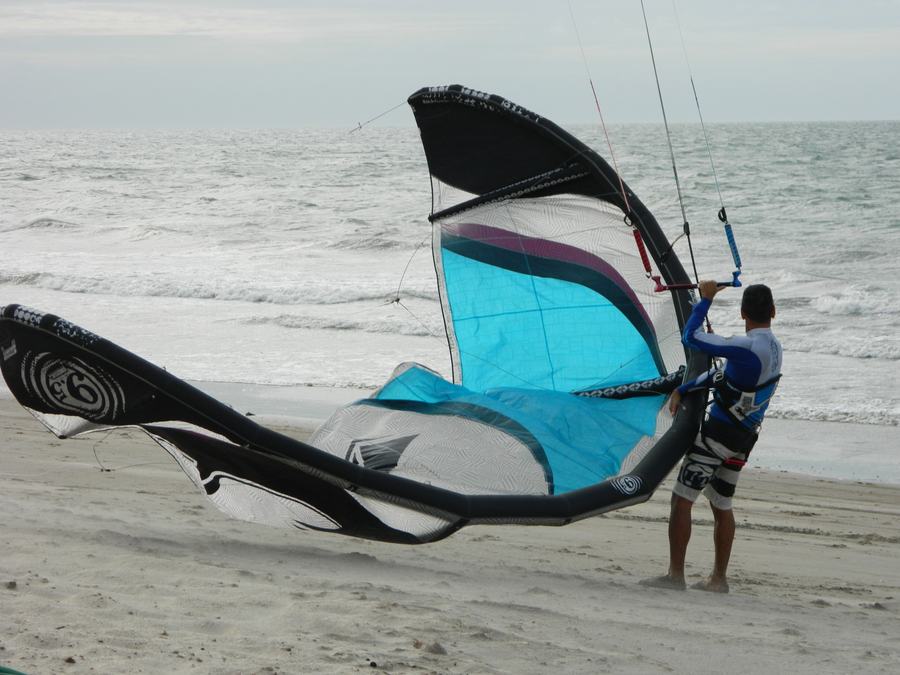
Jericoacoara is a sand village on Brazil's northeast coast, surrounded by dunes and lagoons. From July to January the trade winds blow hard most days, and the beaches and lagoons around it, from Preá to Guriú and Tatajuba, have made the region one of the best-known kite destinations anywhere.
It is also a protected place. The village sits beside a national park of dunes, mangroves and lagoons, private cars are restricted, and visitors pay a tourism fee. Riders already live under local agreements: kites stay off Jeri's main beach, which belongs to windsurfers. Growth puts pressure on all of it.
A chapter gives riders in Jeri and Preá one voice with the park and the municipality, backs the existing agreements with trained, certified riders, and runs stewardship on the beaches and lagoons the sport depends on.
RRancho do KiteLocal school teaching on this waterKKiteWorldWide TatajubaLocal school teaching on this waterWWSThe chapterHolds the line on access: one standing voice with whoever manages the launch.WWSThe chapterRuns stewardship days, so the people who manage the beach see riders as an asset.WWSThe chapterRuns sponsored certification weekends, so riders are trained and self-policing.RRancho do KiteLocal school teaching on this waterKKiteWorldWide TatajubaLocal school teaching on this waterWWSThe chapterHolds the line on access: one standing voice with whoever manages the launch.WWSThe chapterRuns stewardship days, so the people who manage the beach see riders as an asset.WWSThe chapterRuns sponsored certification weekends, so riders are trained and self-policing.
iSportsKite, WingiWind spotJericoacoara Jijoca, Jijoca de JericoacoaraiKnow thisJericoacoara and Preá, in Ceará on Brazil's northeast coast, about 300 km from Fortaleza.iKnow thisSide-on trade winds, July to January, 16–35 knots; flat lagoons nearby.iKnow thisKiting is banned on Jeri's main beach, which belongs to windsurfers; the village sits in a national park.iSportsKite, WingiWind spotJericoacoara Jijoca, Jijoca de JericoacoaraiKnow thisJericoacoara and Preá, in Ceará on Brazil's northeast coast, about 300 km from Fortaleza.iKnow thisSide-on trade winds, July to January, 16–35 knots; flat lagoons nearby.iKnow thisKiting is banned on Jeri's main beach, which belongs to windsurfers; the village sits in a national park.
Your gift keeps the chapter running and the beach cared for: cleanup supplies, signage, certification weekends and the costs of being the group the park can call.



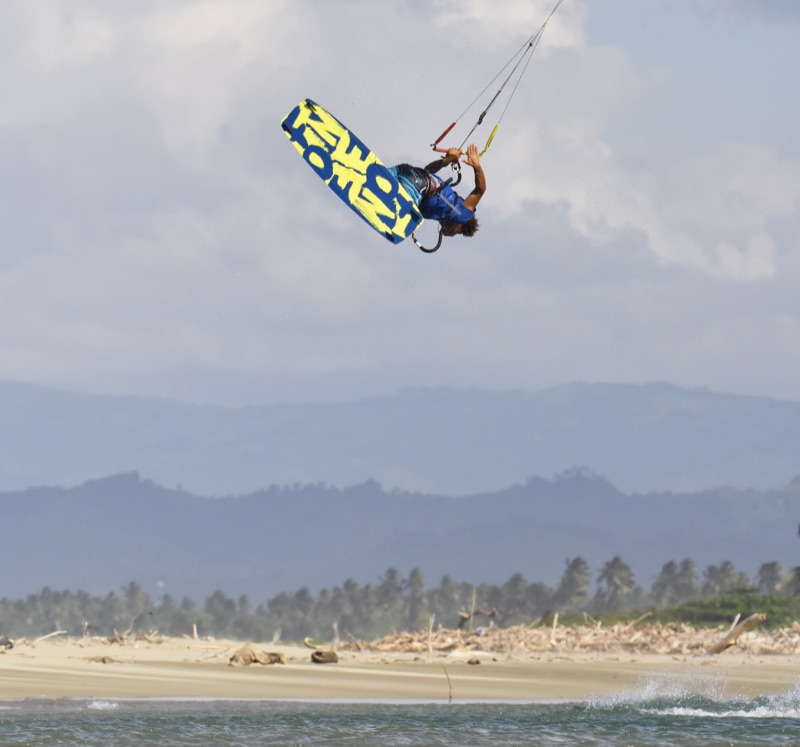 Title sponsor openCabarete
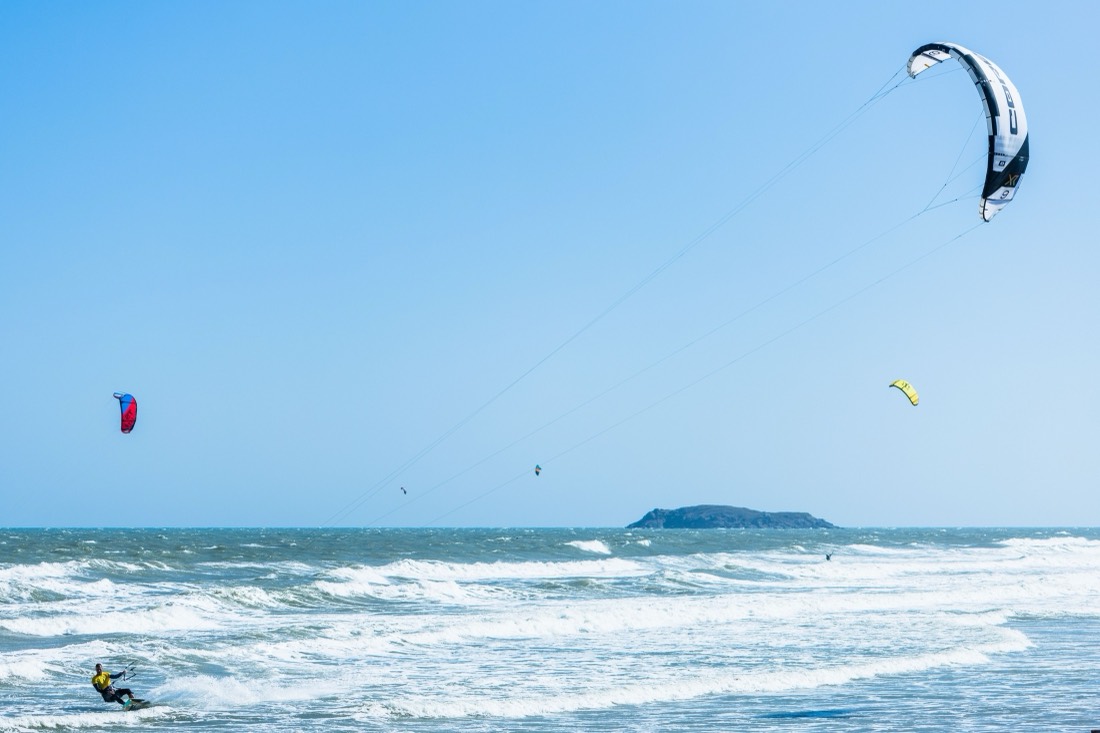 Title sponsor openCrandon Park
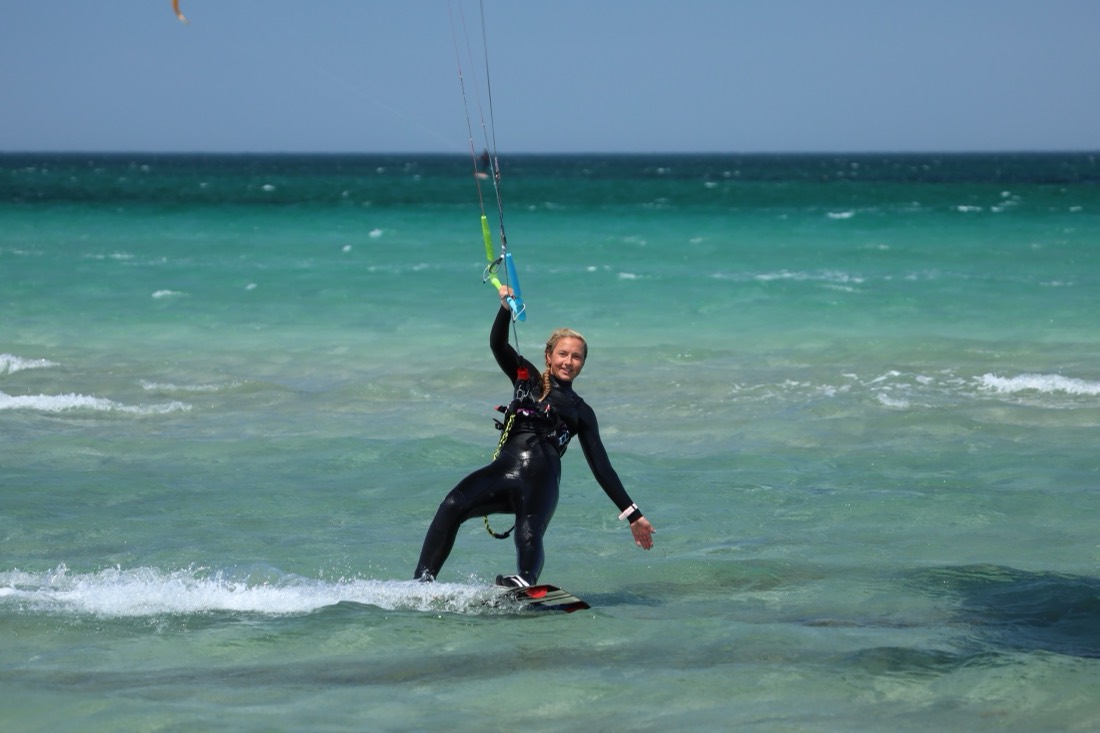 Title sponsor openCurry Hammock
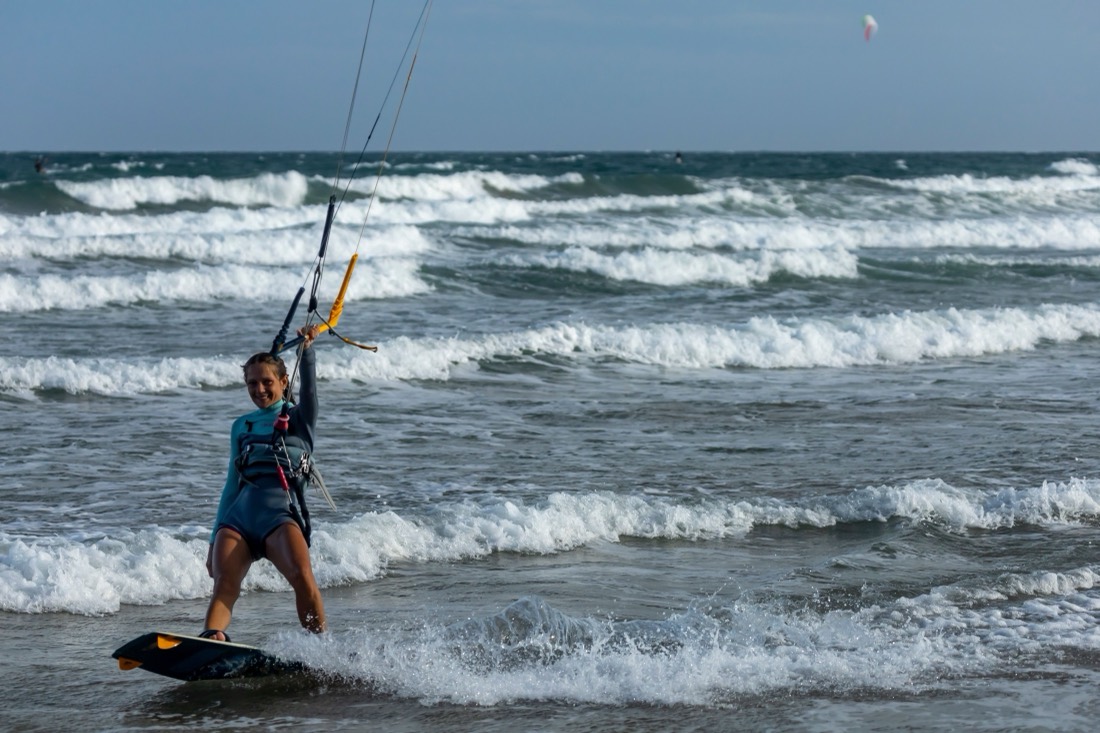 Title sponsor openDakhla
 Title sponsor openHood River
 Title sponsor openTarifa
 Flagship chapterBlouberg, Cape Town
 Flagship chapterCape Hatteras
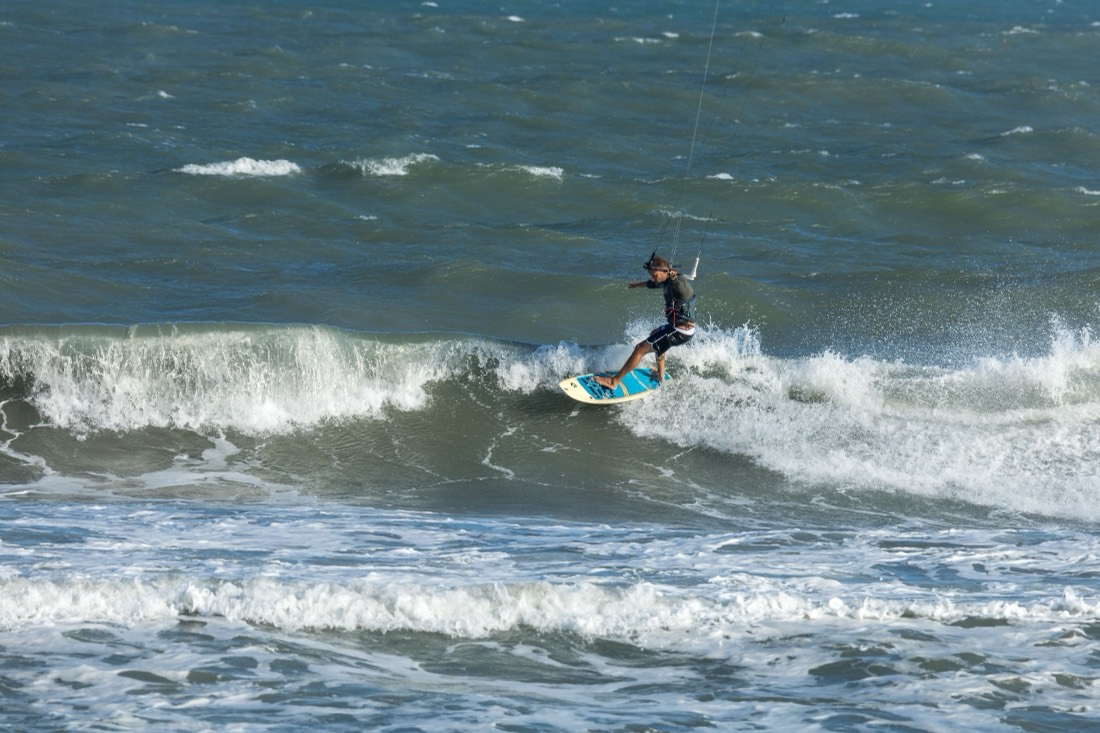 Flagship chapterEl Gouna
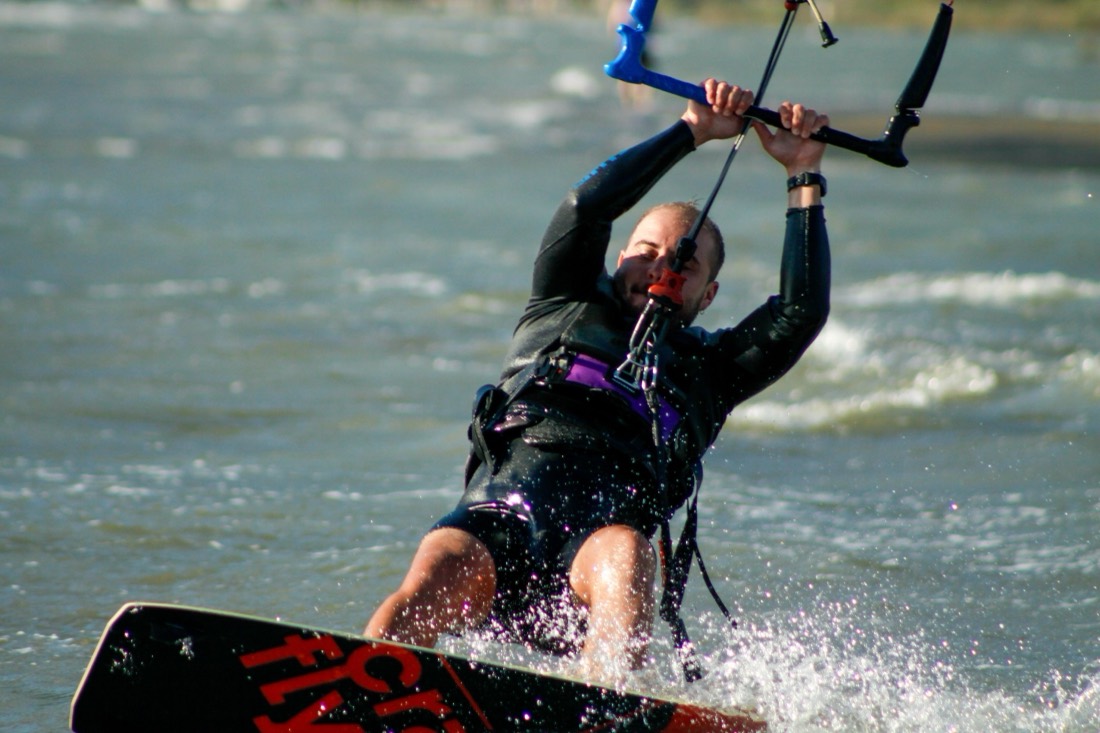 Flagship chapterJericoacoara
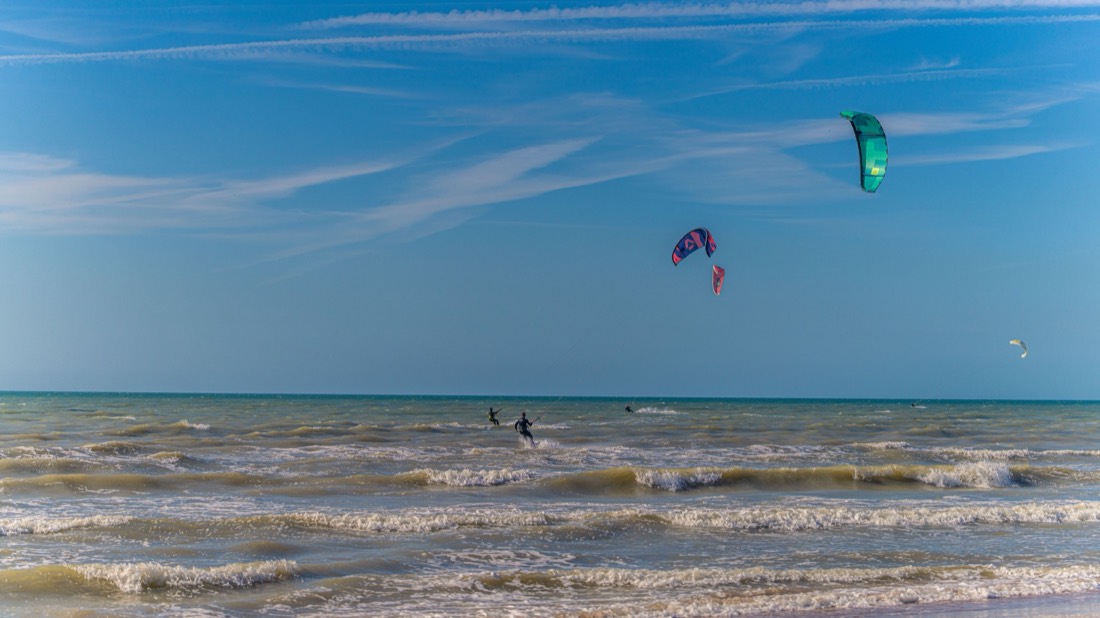 Flagship chapterKanaha, Maui
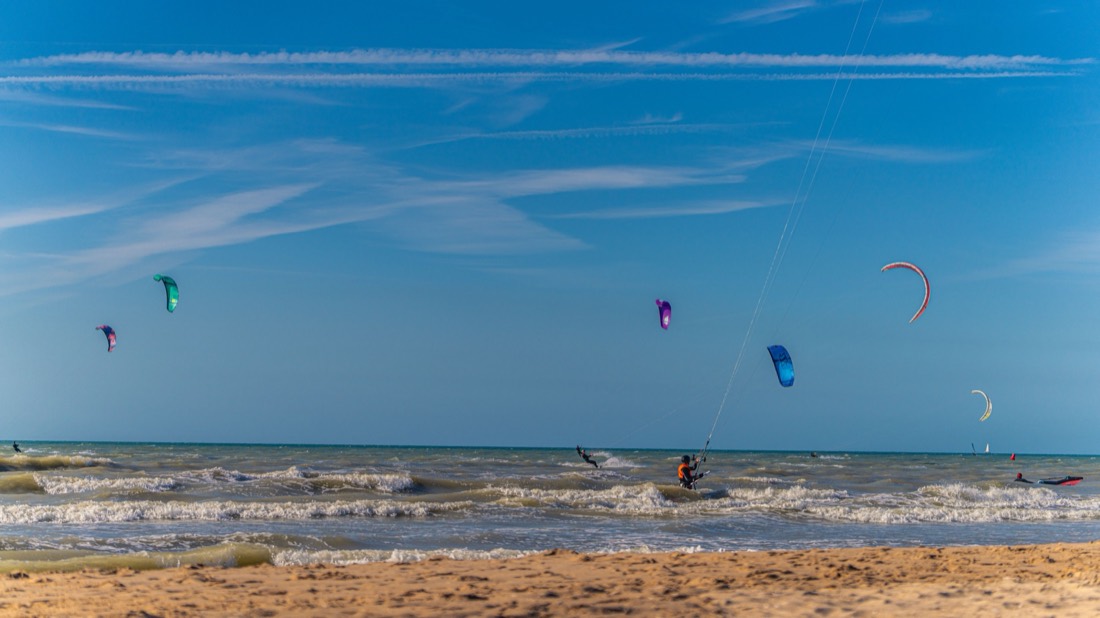 Flagship chapterLa Ventana
 Flagship chapterLe Morne
 Title sponsor openBig Pine Key
 Title sponsor openCancún
 Title sponsor openPuro Miami
 Title sponsor openVeterans Memorial Beach
 EuropeAlaçatı
 EuropeBrouwersdam
 Great LakesCleveland
 Gulf CoastCorpus Christi
 US West CoastCrissy Field