What brings people here, from the people who manage it and the people who ride it.
Northeast is the main and best direction, blowing side-onshore. Trade winds are usually light but steady at about 10 to 16 mph; storm-driven wind runs about 12 to 25 mph.
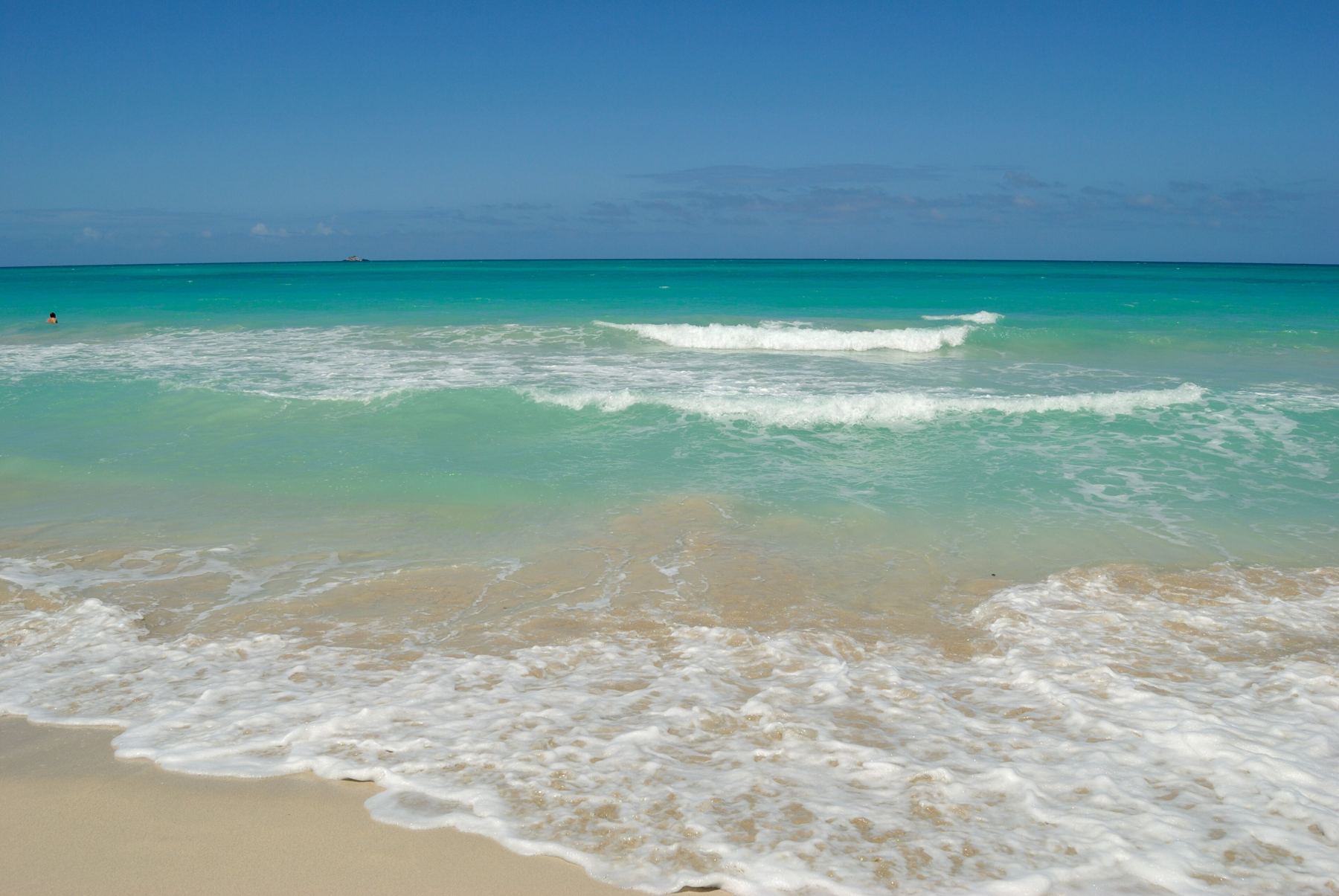
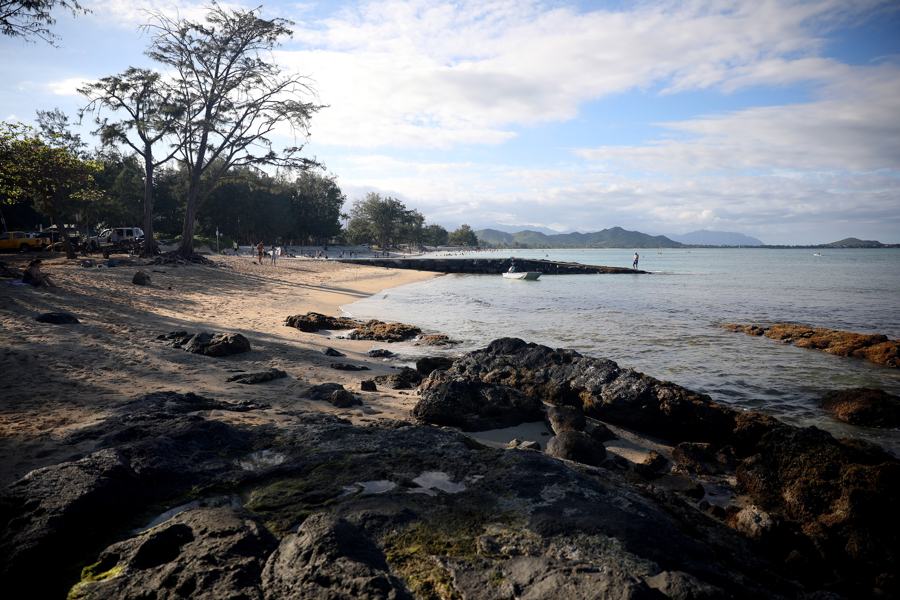
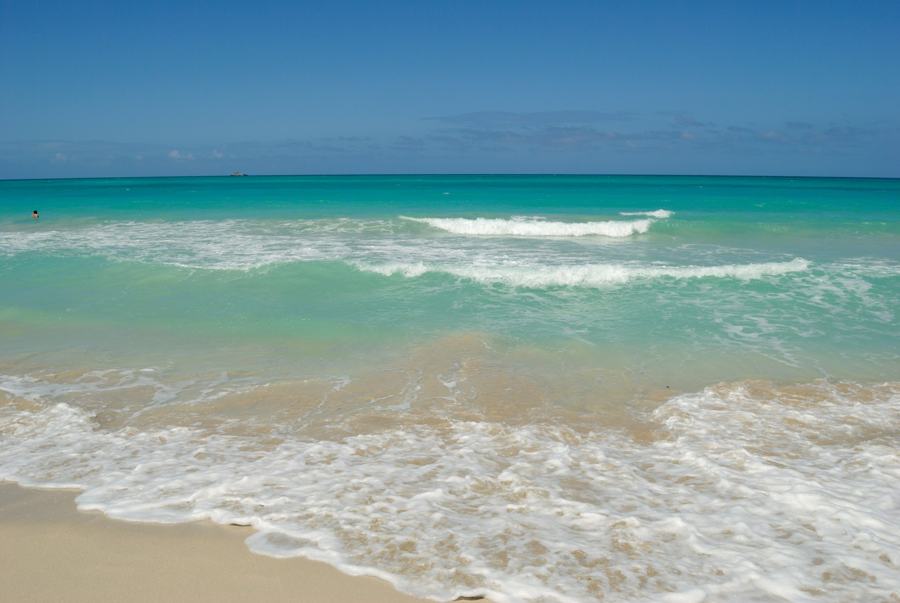
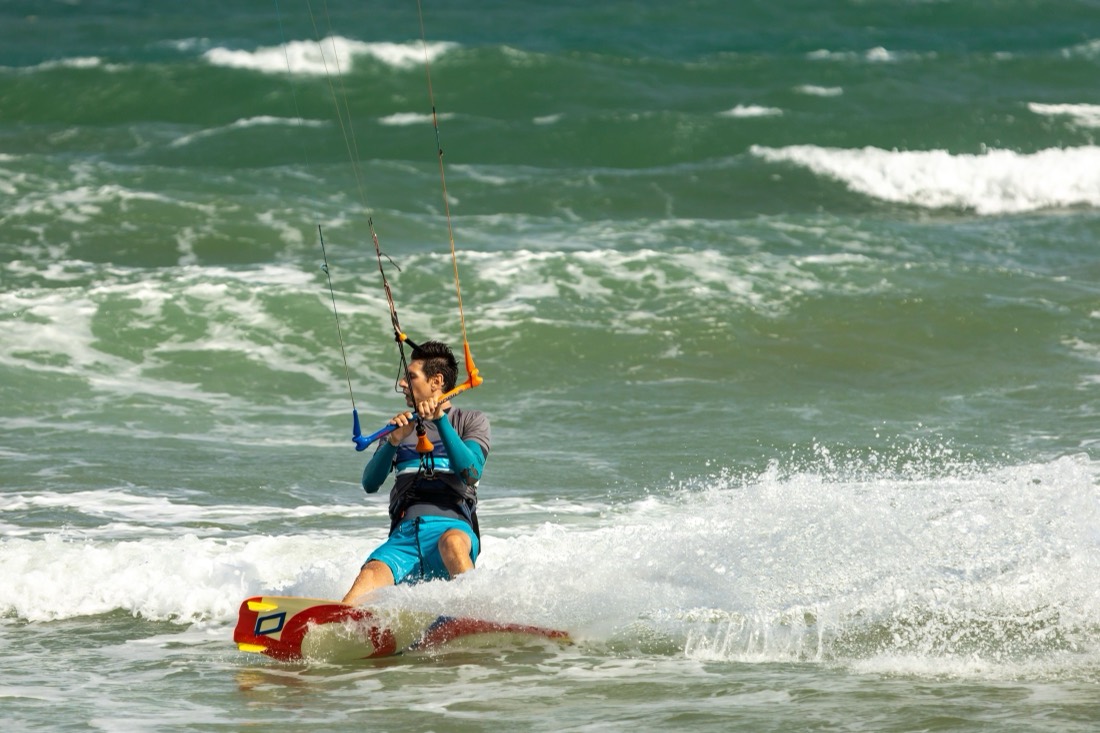
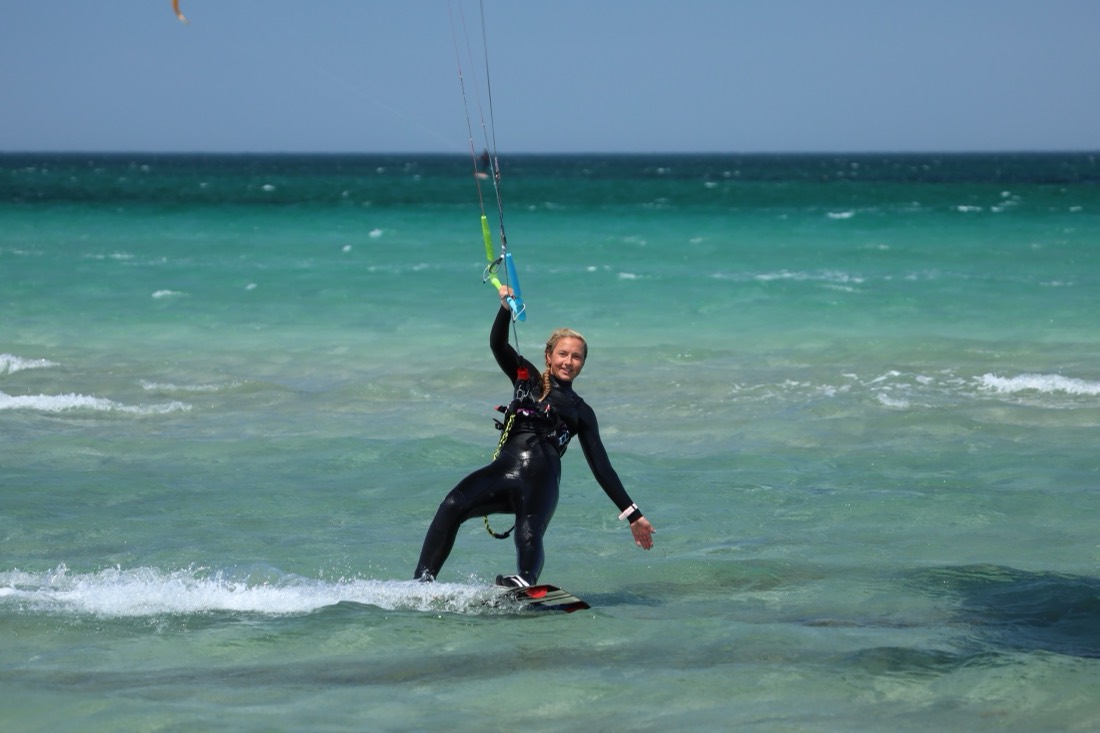
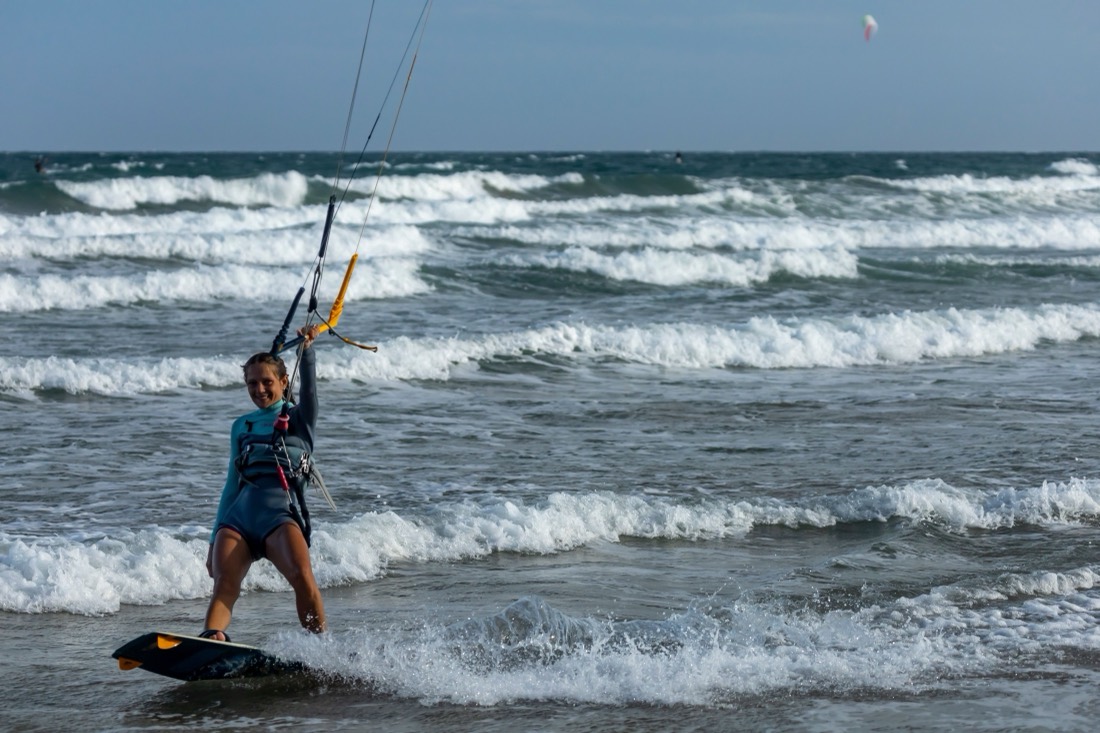
April to September is the best season. The water is warm, choppy and very clear. There are reefs in parts of the bay, and small rolling swells at the spot called Jump City.
Each site sets its own rules. The chapter publishes confirmed rules as each site answers in writing, and points riders to the official page before they go.
There is no city ordinance written specifically for kiteboarders. The state's ocean recreation signage puts kiteboarding under the windsurfing area, and the beach above the waterline is controlled by the city.
Riders launch only from the designated area, give beachgoers priority, use a safety leash, and stay out of the swim area. No flying kites over the beach and no beach jumping.
In 2006 the Kailua Neighborhood Board recommended banning most commercial activity at the beach park and voted 10 to 6 against recommending a kiteboarding ban.
Stewardship rotates across the city's spots, so riders are known as the people who look after them.
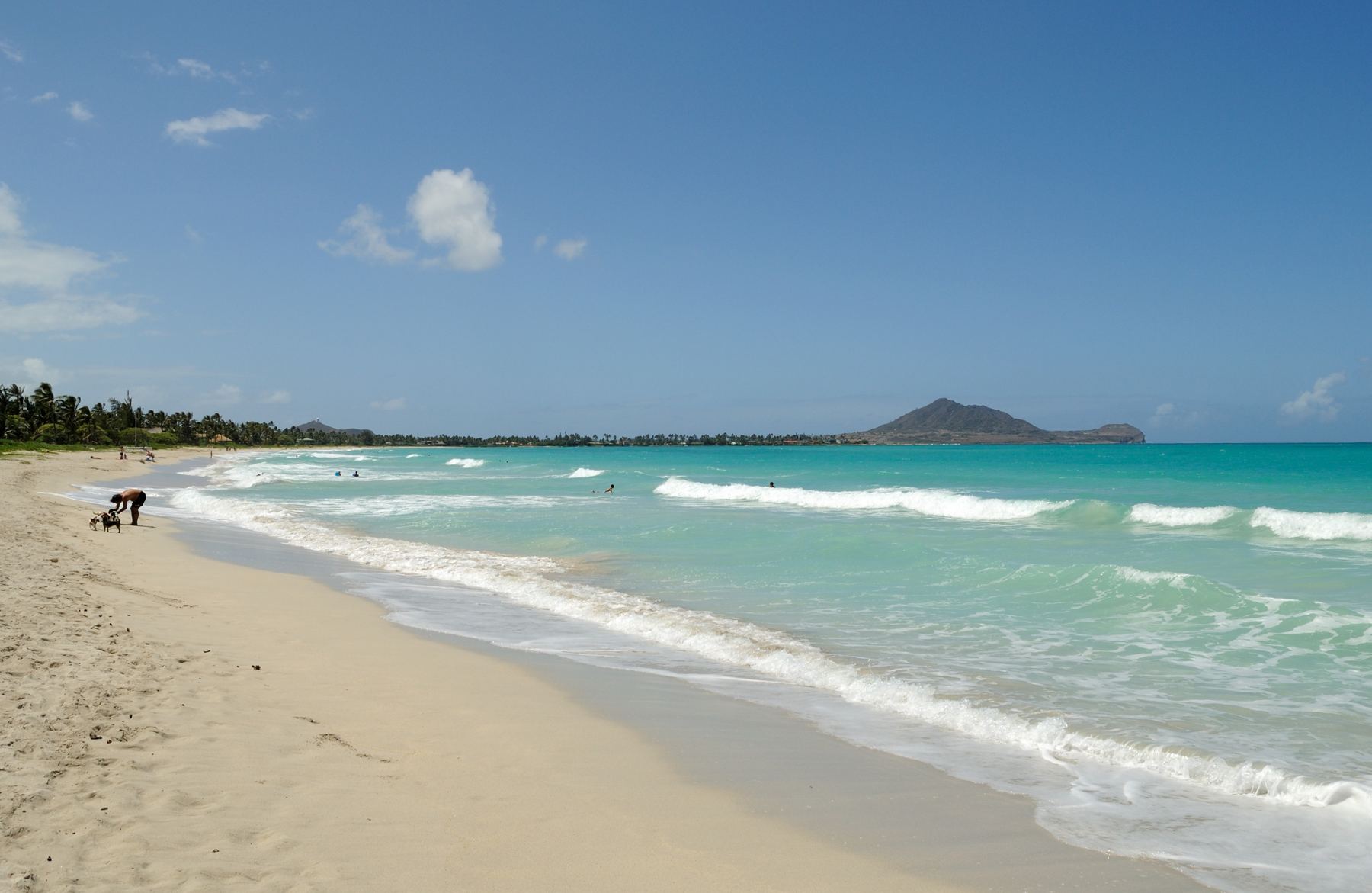
Popoia (Flat Island) sits off Kailua Beach. Landing there has been closed under state restrictions on Oʻahu's offshore islets, and kayakers who landed have been issued warnings.
The state has reported recovering an injured wedge-tailed shearwater from the islet.
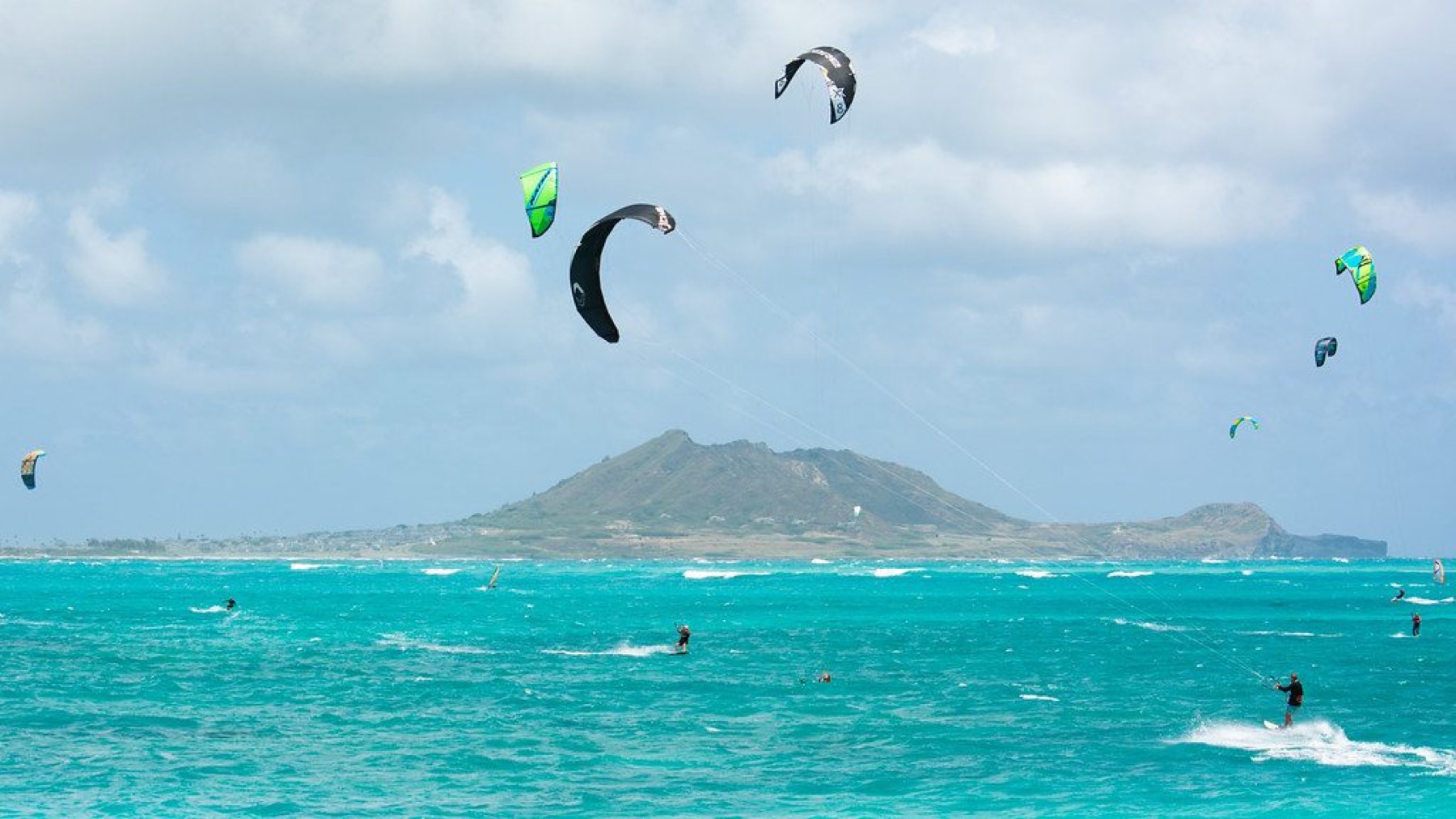
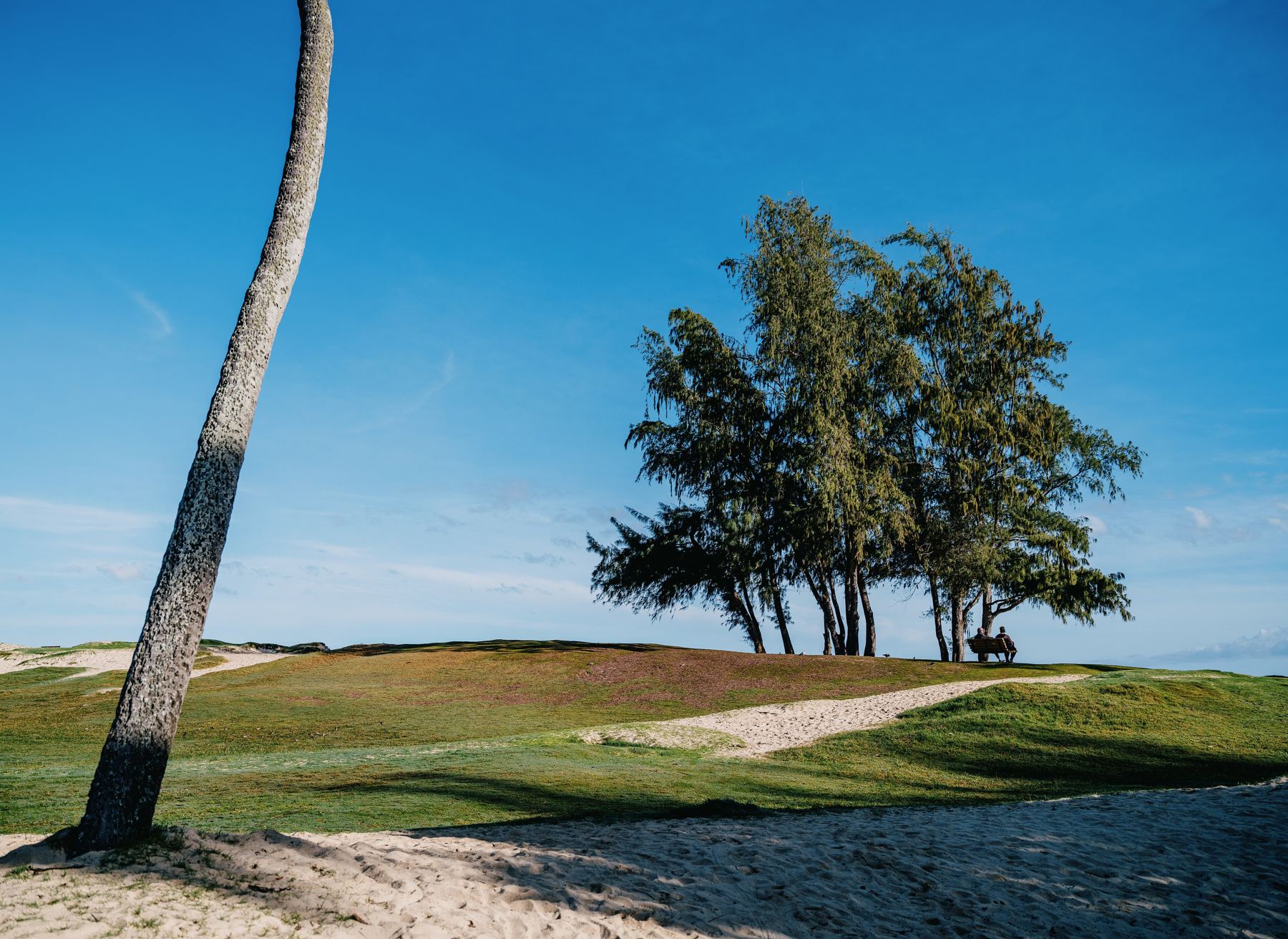
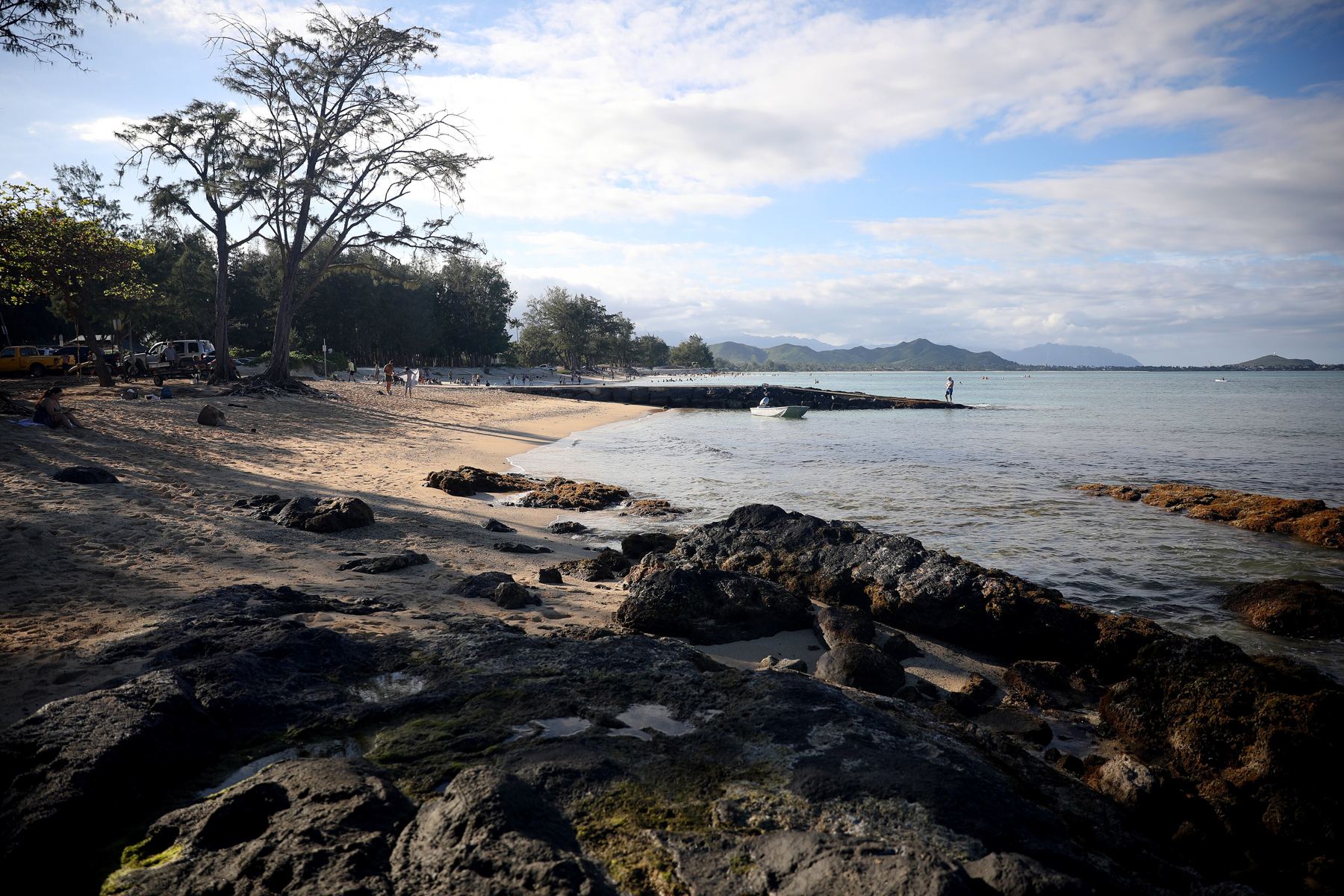
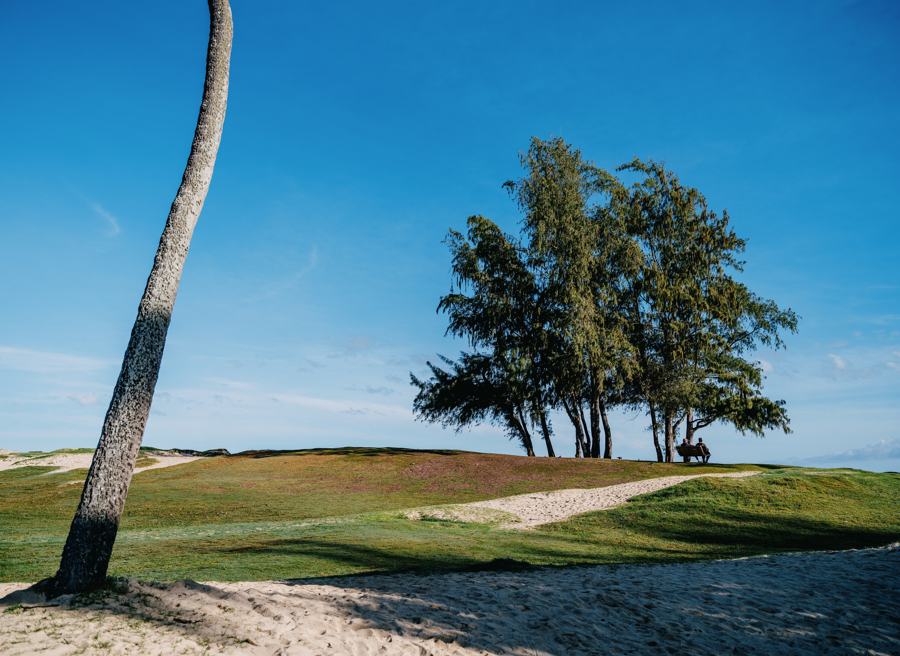
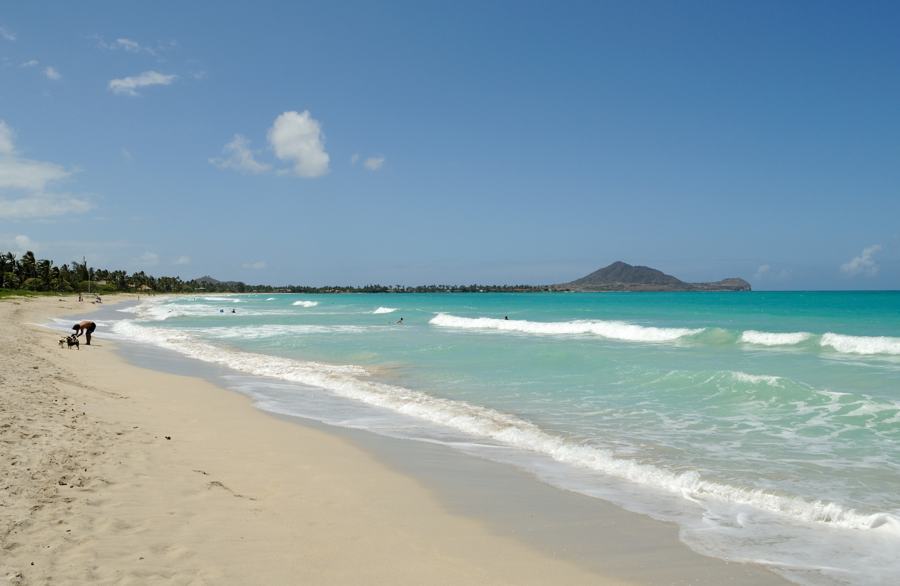
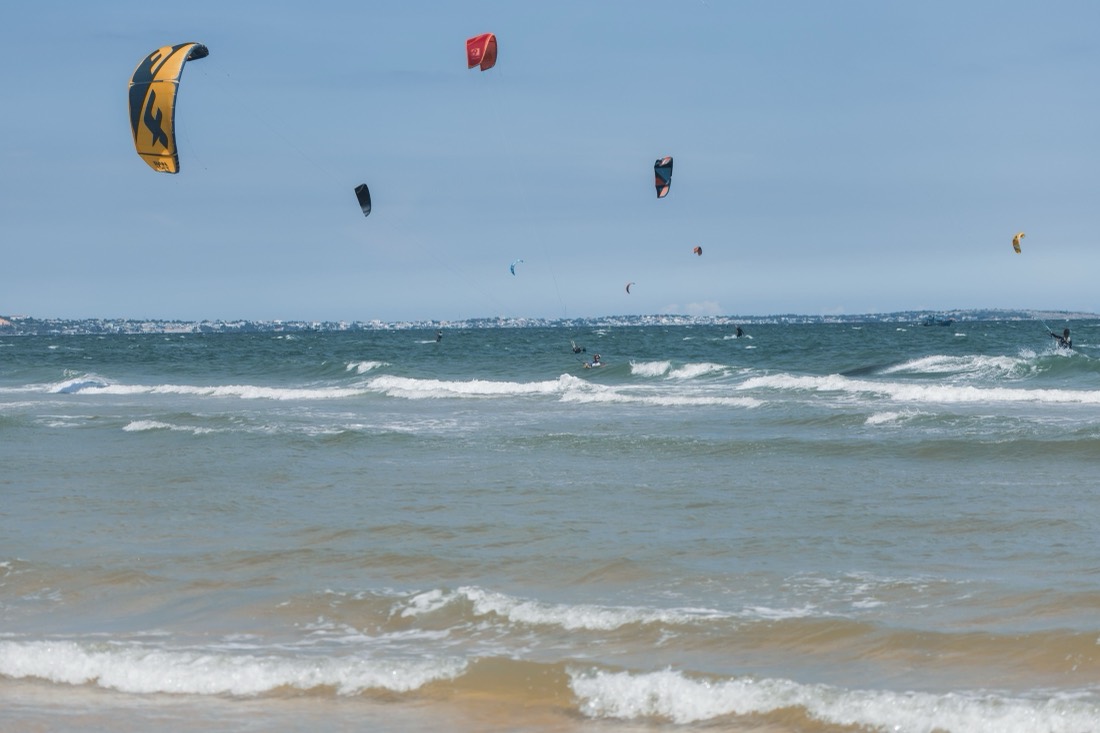
The trade winds blow onto Oʻahu's windward coast from the northeast, and Kailua Bay catches them side-onshore over warm, clear water. It has been a home spot for windsurfers and kiters for decades.
It is also one of the most contested beaches in the islands. Swimmers, kayakers, windsurfers and kiters all share the same stretch at the east end of the beach park, and riders have only a narrow strip of sand to lay out their lines. Residents have complained, the neighborhood board has debated bans, and kiting here has been at risk of being banned.
A chapter gives Kailua's riders one voice with the city and the state, a code of conduct that every visiting kiter can learn, and a record of riders who give the beach back more than they take.
WWSThe chapterHolds the line on access: one standing voice with whoever manages the launch.WWSThe chapterRuns stewardship days, so the people who manage the beach see riders as an asset.WWSThe chapterRuns sponsored certification weekends, so riders are trained and self-policing.WWSThe chapterHolds the line on access: one standing voice with whoever manages the launch.WWSThe chapterRuns stewardship days, so the people who manage the beach see riders as an asset.WWSThe chapterRuns sponsored certification weekends, so riders are trained and self-policing.
iSportsKite, WingiWind spotKailuaiKnow thisKailua Beach Park, on the windward (east) coast of Oʻahu, Hawaii.iKnow thisNortheast trade winds, best April to September; warm, clear, choppy water with reefs.iKnow thisLaunch only from the designated area at the east end of the beach; kiting here has been at risk before.iSportsKite, WingiWind spotKailuaiKnow thisKailua Beach Park, on the windward (east) coast of Oʻahu, Hawaii.iKnow thisNortheast trade winds, best April to September; warm, clear, choppy water with reefs.iKnow thisLaunch only from the designated area at the east end of the beach; kiting here has been at risk before.
Your gift keeps the chapter running and the beach cared for: cleanup supplies, signage, certification weekends and the costs of being the group the park can call.



 Title sponsor openCabarete
 Title sponsor openCrandon Park
 Title sponsor openCumbuco
 Title sponsor openCurry Hammock
 Title sponsor openDakhla
 Title sponsor openHood River
 Title sponsor openTarifa
 Flagship chapterBlouberg, Cape Town
 Flagship chapterCape Hatteras
 Flagship chapterEl Gouna
 Flagship chapterJericoacoara
 Flagship chapterLa Ventana
 Flagship chapterLe Morne
 Title sponsor openBig Pine Key
 Title sponsor openCancún
 Title sponsor openPuro Miami
 Title sponsor openVeterans Memorial Beach
 EuropeAlaçatı
 EuropeBrouwersdam
 Great LakesCleveland
 Gulf CoastCorpus Christi
 EuropeCosta Teguise
 US West CoastCrissy Field