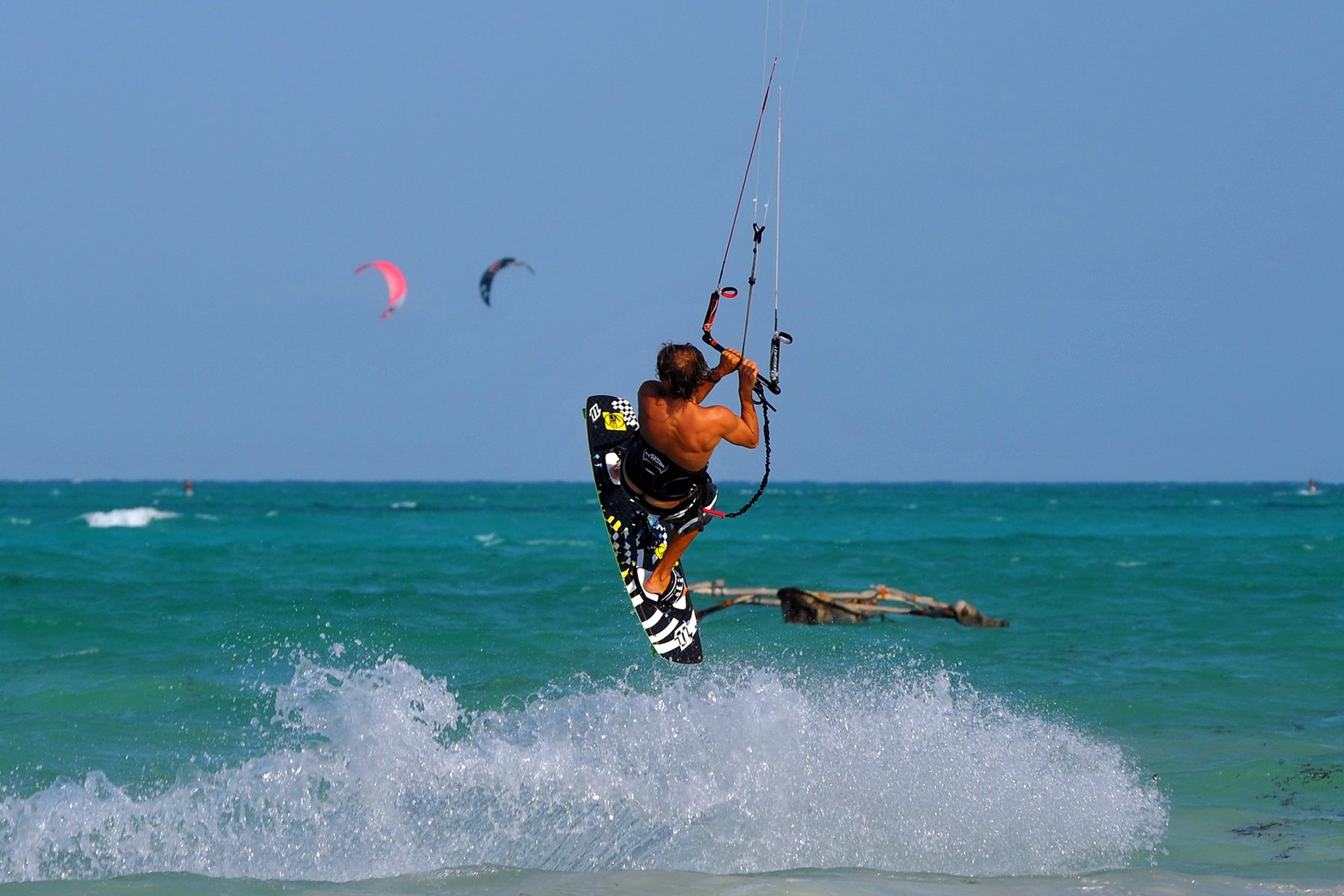
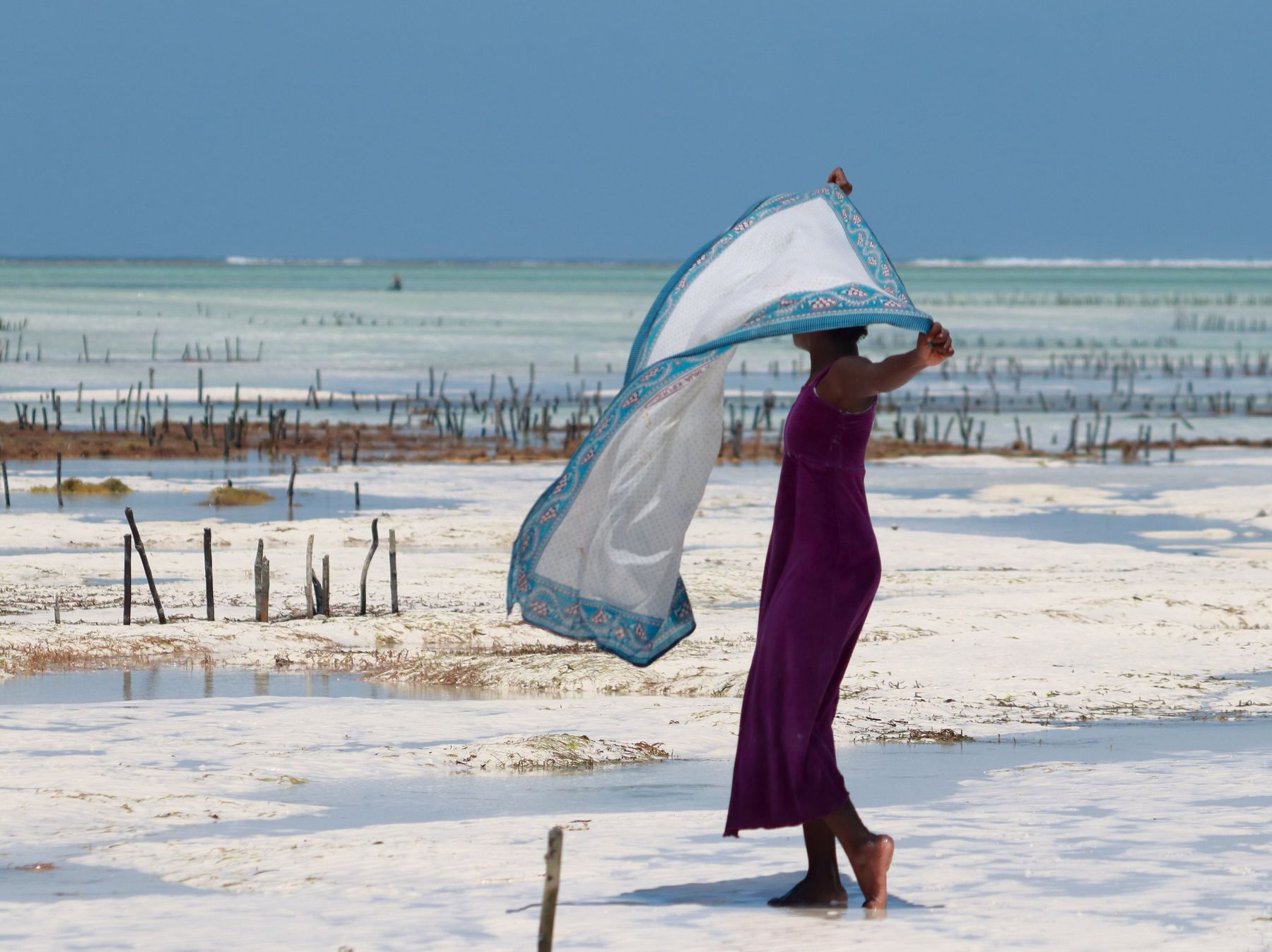
A white-sand village on Zanzibar's east coast, where a reef-sheltered lagoon drains and fills with the tide and the trade winds blow for most of the year. Kiters share the shallows with the women who farm seaweed there.
What brings people here, from the people who manage it and the people who ride it.
The Kaskazi blows from the north at about 12–25 knots from mid-December to February. The Kusi blows from May to October, usually calmer in the morning and stronger after lunch.
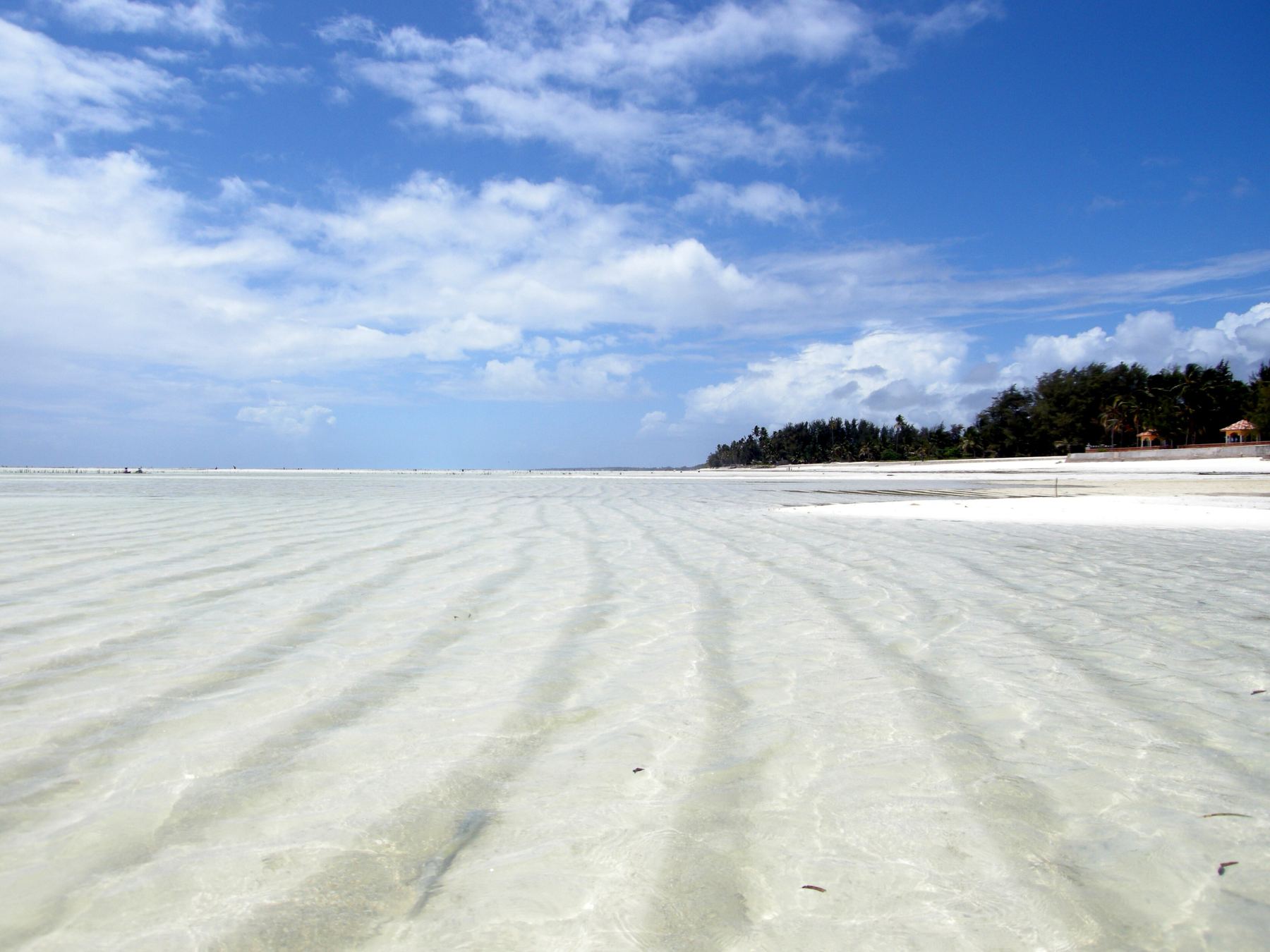
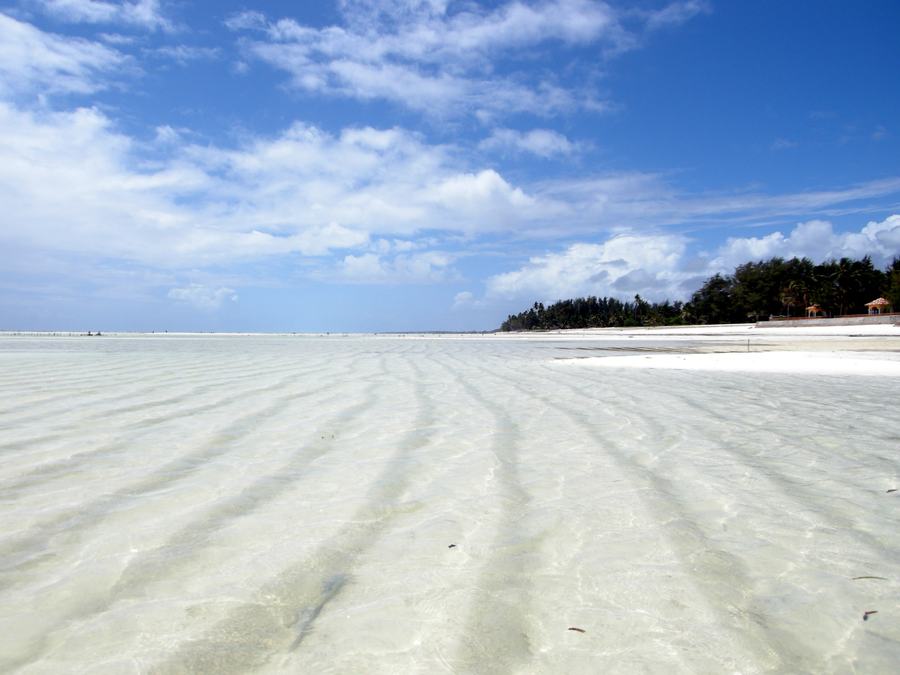
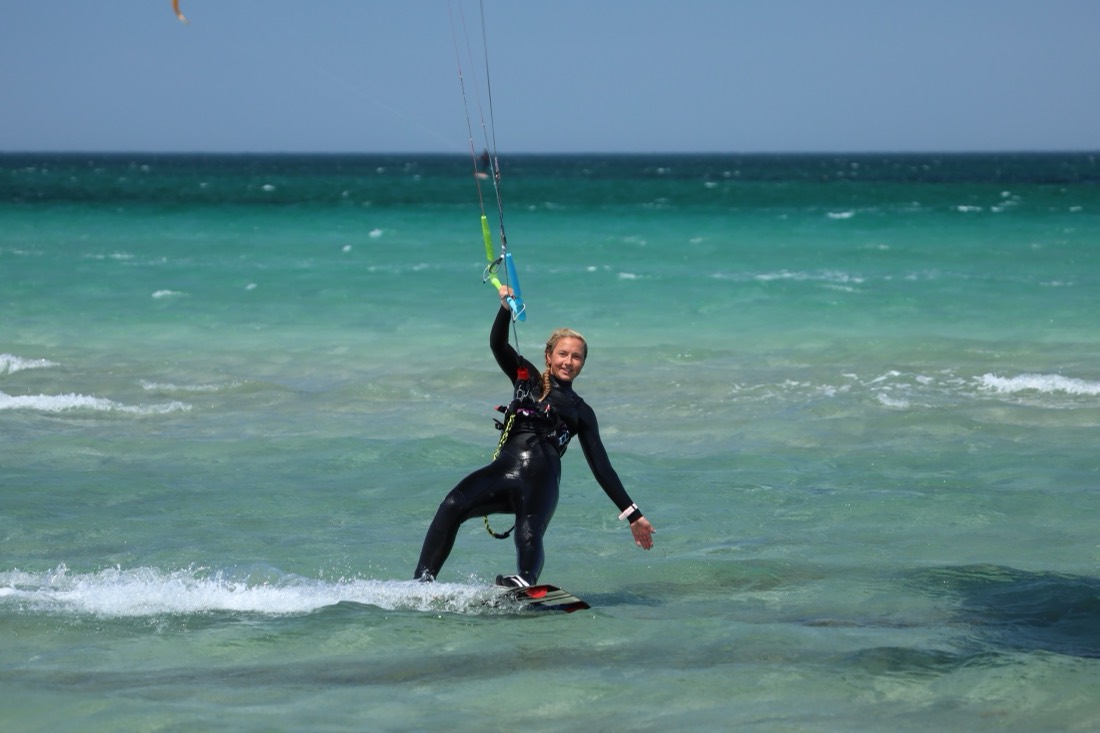
Inner and outer lagoons give flat, knee-deep water at different tides. Low tide empties the inner lagoon and pushes riders to the outer lagoon and sandbanks.
The reef is less aggressive than many tropical reefs, but watch for sea urchins.
Local governments and environmental agencies set the terms. The chapter works with them, not around them.
We found no published government rules for kitesurfing in Paje.
Riders are advised to cross the seaweed farms only at mid or high tide. A 2016 study recommended an integrated coastal management plan, developed with the community, to manage use of the intertidal zone.
Sources: IKSURFMAG; SIT Study Abroad (Walczak and Levine, 2016)
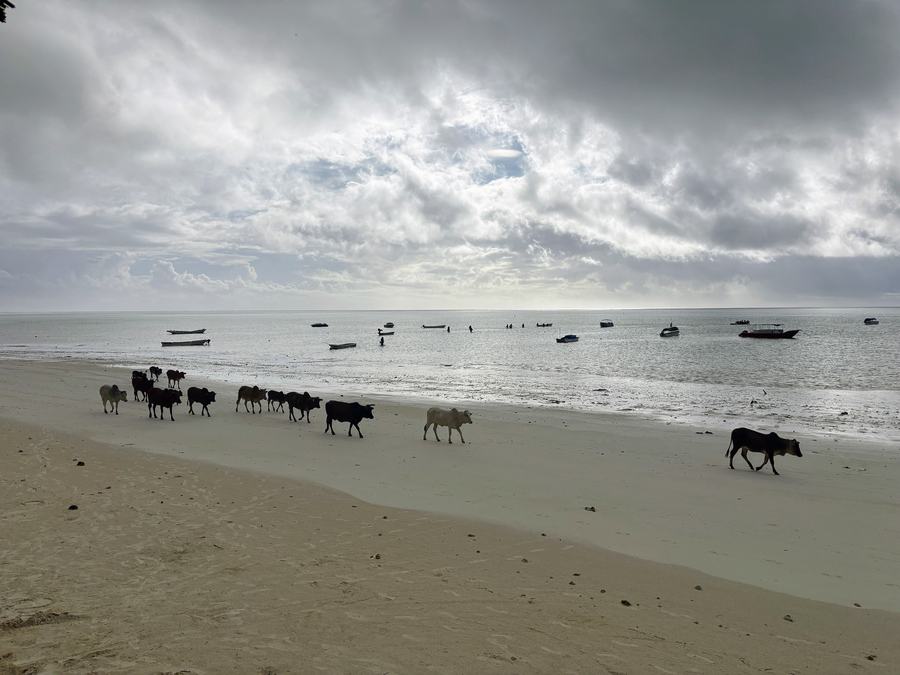
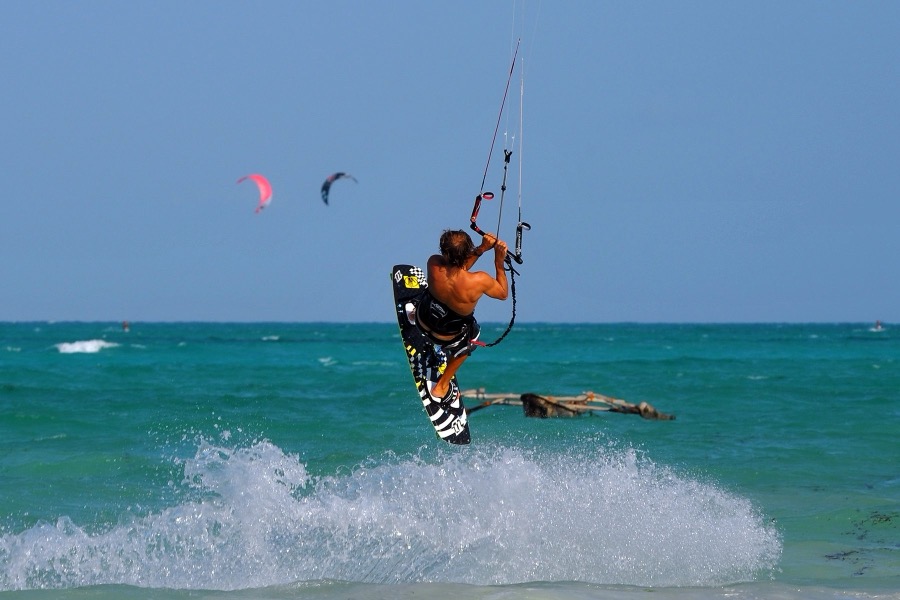
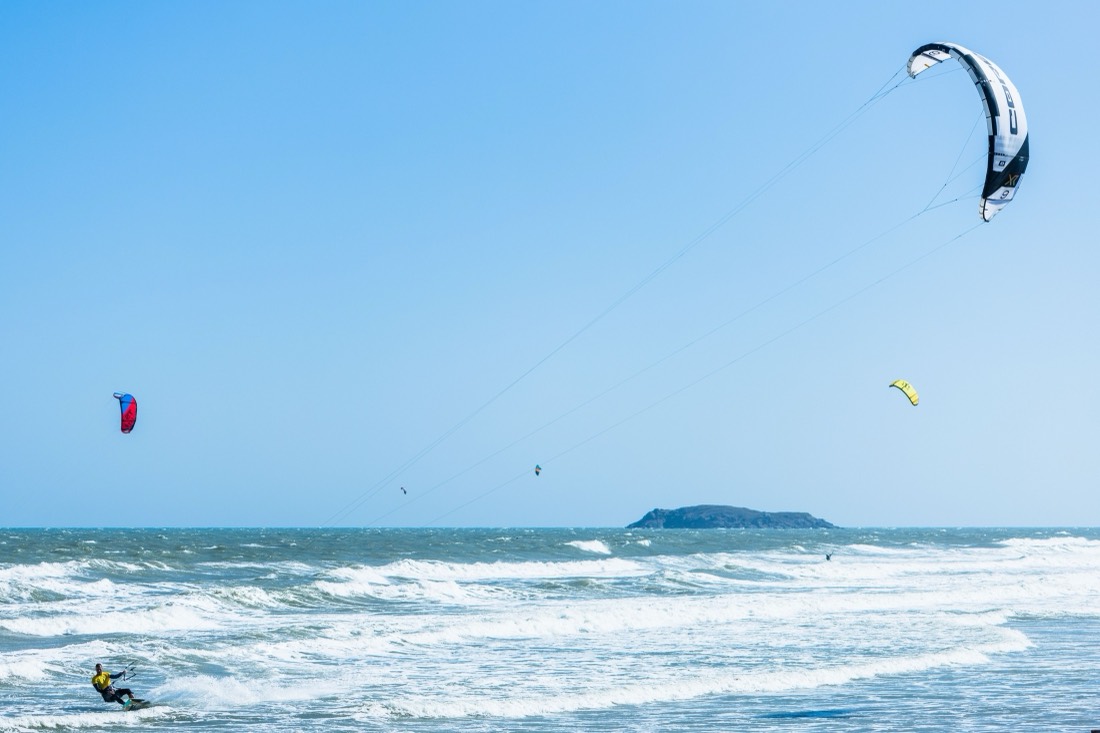
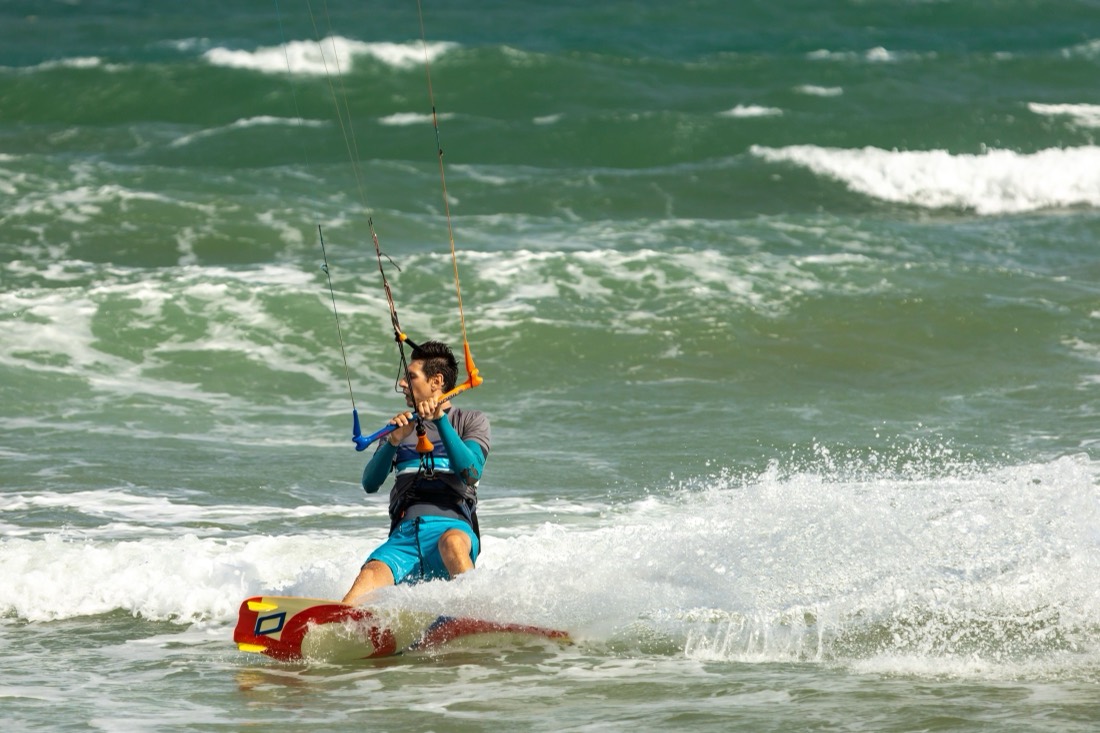
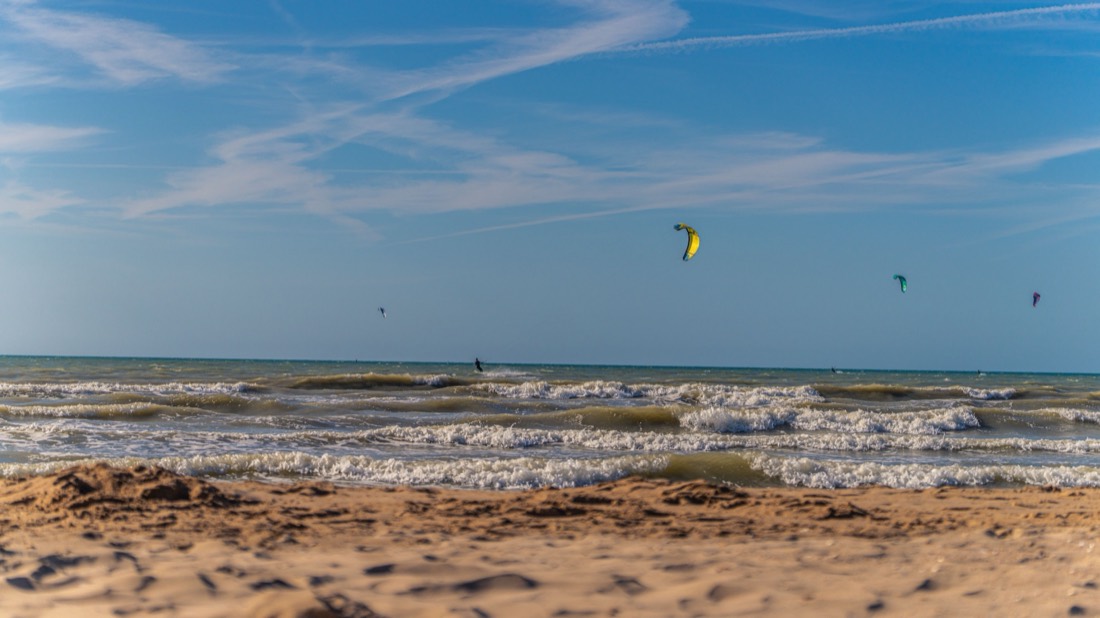
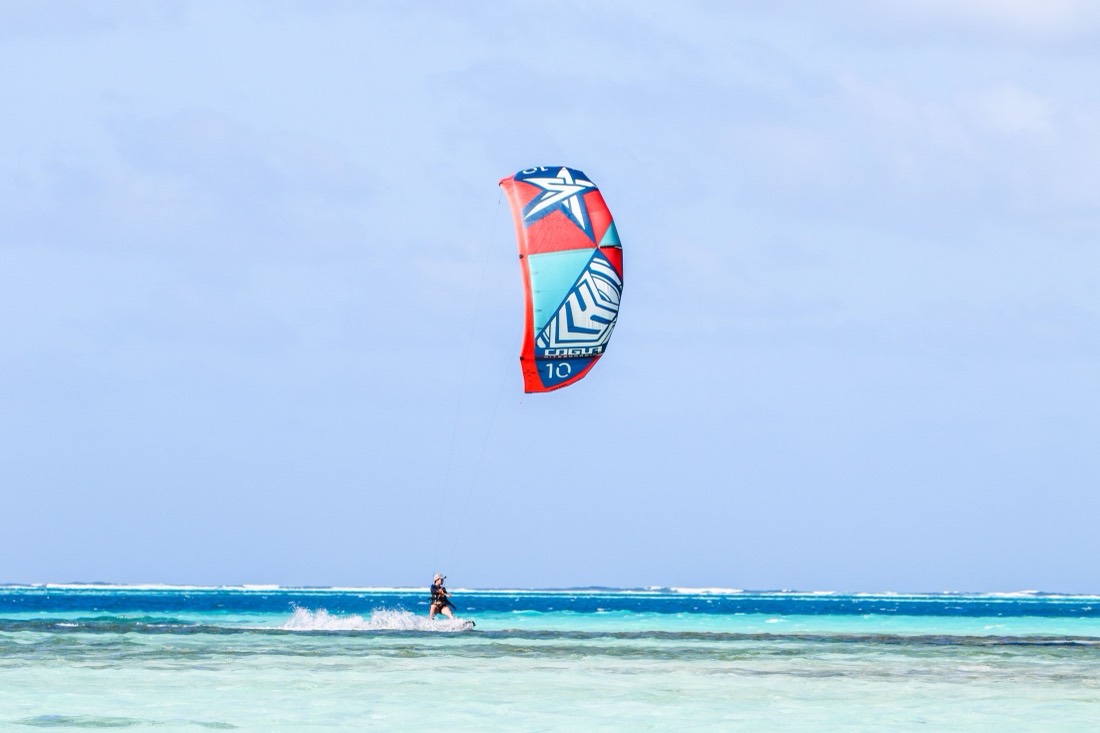
Twice a year the trade winds settle over Zanzibar, and Paje's lagoon becomes a playground: knee-deep, turquoise and protected by the reef. As the tide moves, riders shift between the inner and outer lagoons.
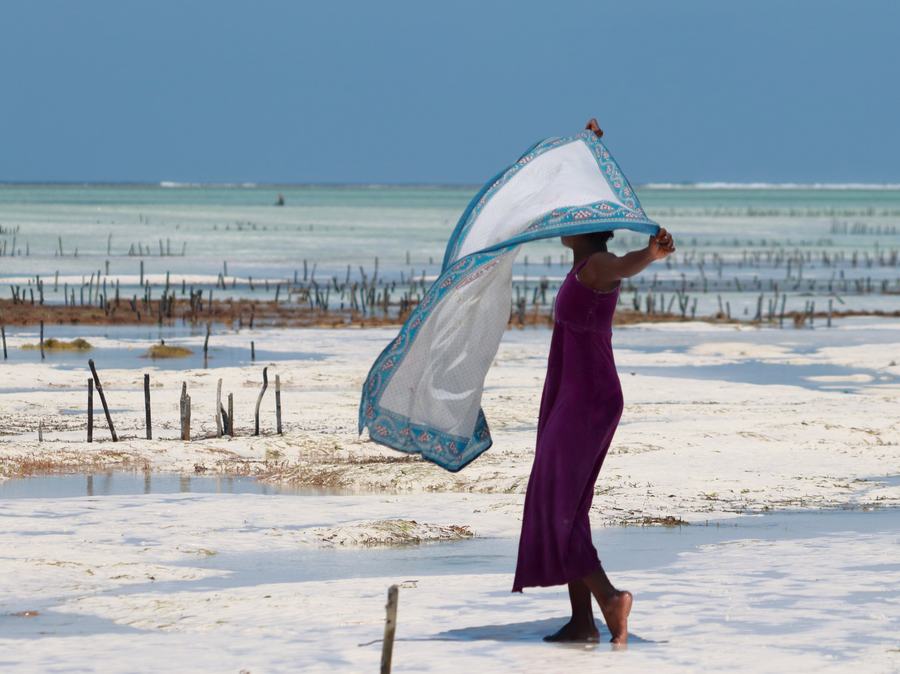
The same shallows are a workplace. Women make up most of Zanzibar's seaweed farmers, and in Paje they tend their lines in the lagoon at low tide while warming water and die-offs cut into harvests. A 2016 study found that unmanaged kitesurfing in the intertidal zone had added to conflict with farmers, fishers and the community.
A chapter can help Paje's schools and riders work with the village on the plan that study called for: agreed riding areas, respect for the farms, and a sport that gives back to the place it depends on.
KKite Centre ZanzibarLocal school teaching on this waterPPaje by KiteLocal school teaching on this waterZZanzibar Kite ParadiseLocal school teaching on this waterWWSThe chapterHolds the line on access: one standing voice with whoever manages the launch.WWSThe chapterRuns stewardship days, so the people who manage the beach see riders as an asset.WWSThe chapterRuns sponsored certification weekends, so riders are trained and self-policing.KKite Centre ZanzibarLocal school teaching on this waterPPaje by KiteLocal school teaching on this waterZZanzibar Kite ParadiseLocal school teaching on this waterWWSThe chapterHolds the line on access: one standing voice with whoever manages the launch.WWSThe chapterRuns stewardship days, so the people who manage the beach see riders as an asset.WWSThe chapterRuns sponsored certification weekends, so riders are trained and self-policing.
iSportsKite, WingiWind spotKite Centre Zanzibar, PajeiKnow thisPaje, southeast coast of Unguja, Zanzibar, Tanzania.iKnow thisKaskazi (Dec–Feb, 12–25 knots) and Kusi (May–Oct) trade winds over a knee-deep lagoon.iKnow thisNo formal kiting rules; the intertidal zone is shared with seaweed farms.iSportsKite, WingiWind spotKite Centre Zanzibar, PajeiKnow thisPaje, southeast coast of Unguja, Zanzibar, Tanzania.iKnow thisKaskazi (Dec–Feb, 12–25 knots) and Kusi (May–Oct) trade winds over a knee-deep lagoon.iKnow thisNo formal kiting rules; the intertidal zone is shared with seaweed farms.
Your gift keeps the chapter running and the beach cared for: cleanup supplies, signage, certification weekends and the costs of being the group the park can call.



 Title sponsor openCabarete
 Title sponsor openCrandon Park
 Title sponsor openCumbuco
 Title sponsor openCurry Hammock
 Title sponsor openHood River
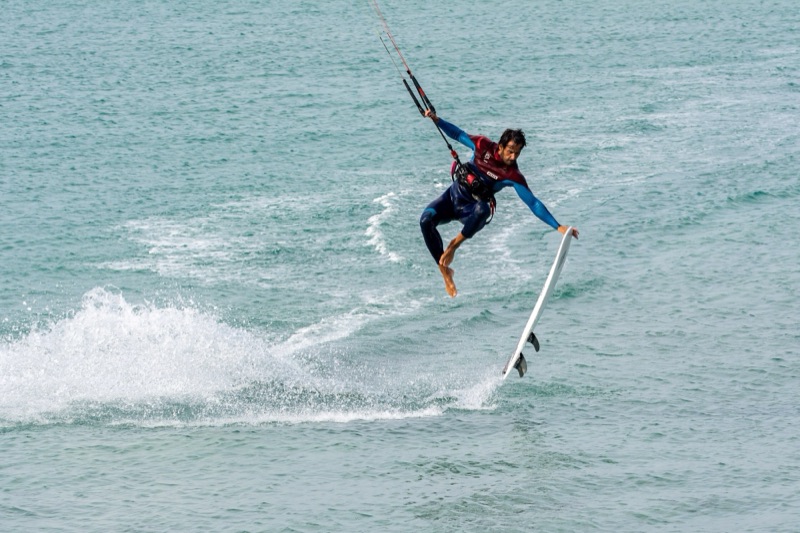 Title sponsor openTarifa
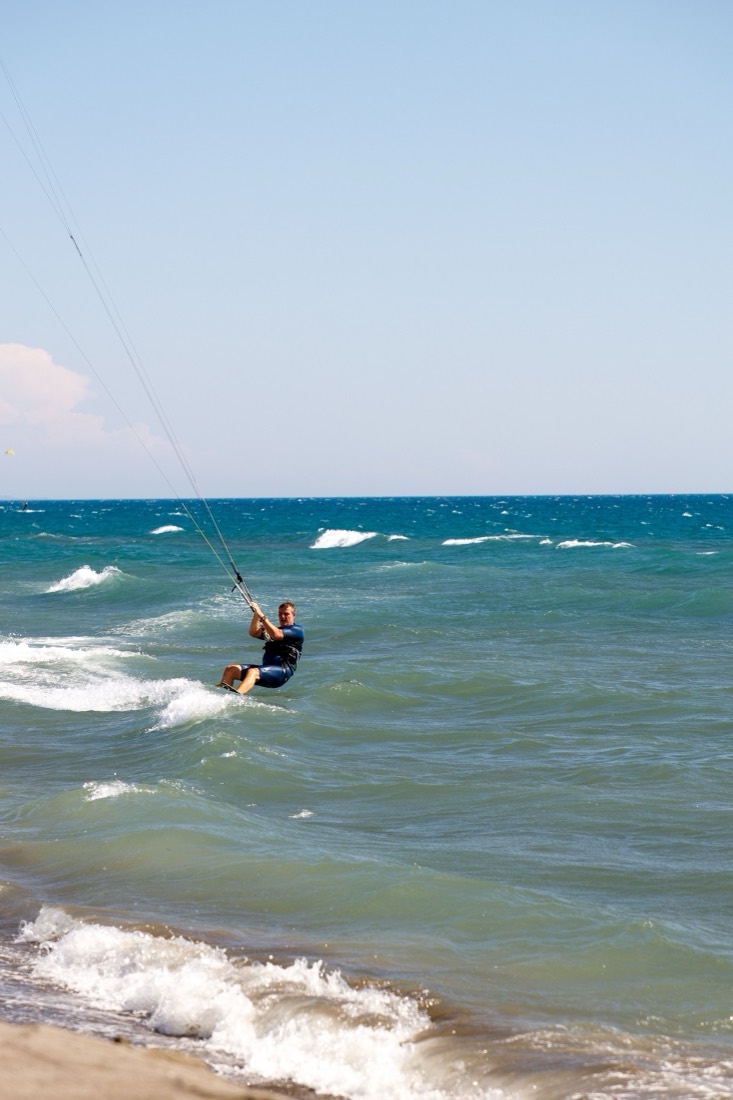 Flagship chapterBlouberg, Cape Town
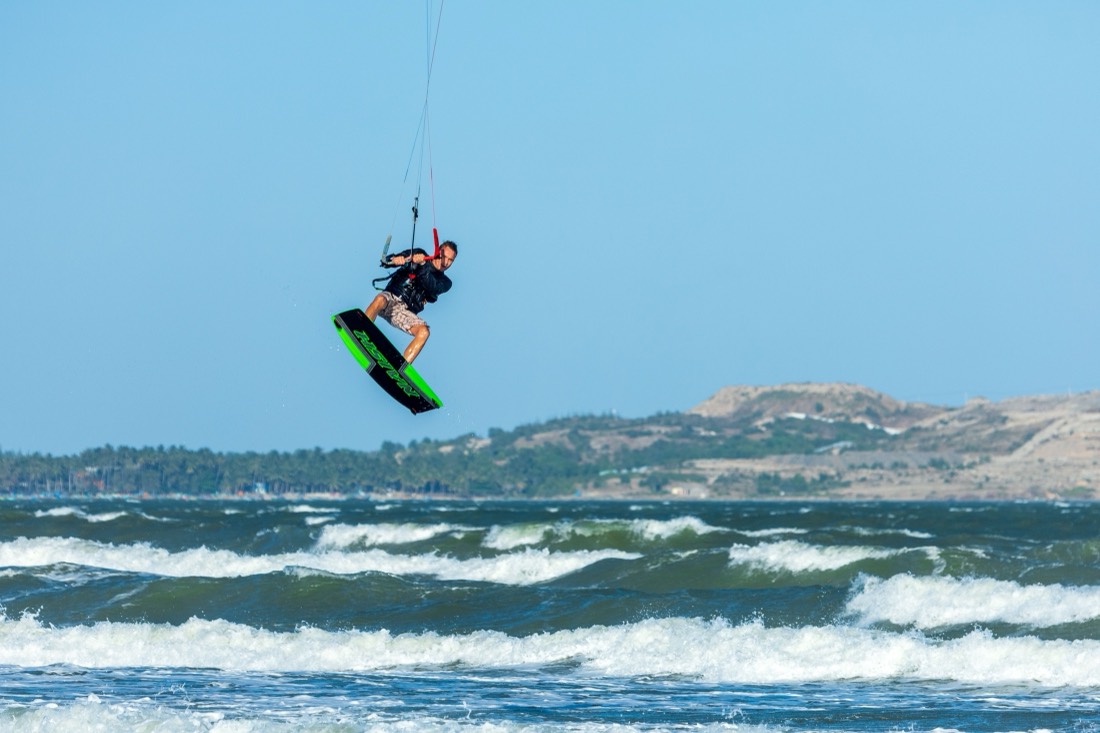 Flagship chapterCape Hatteras
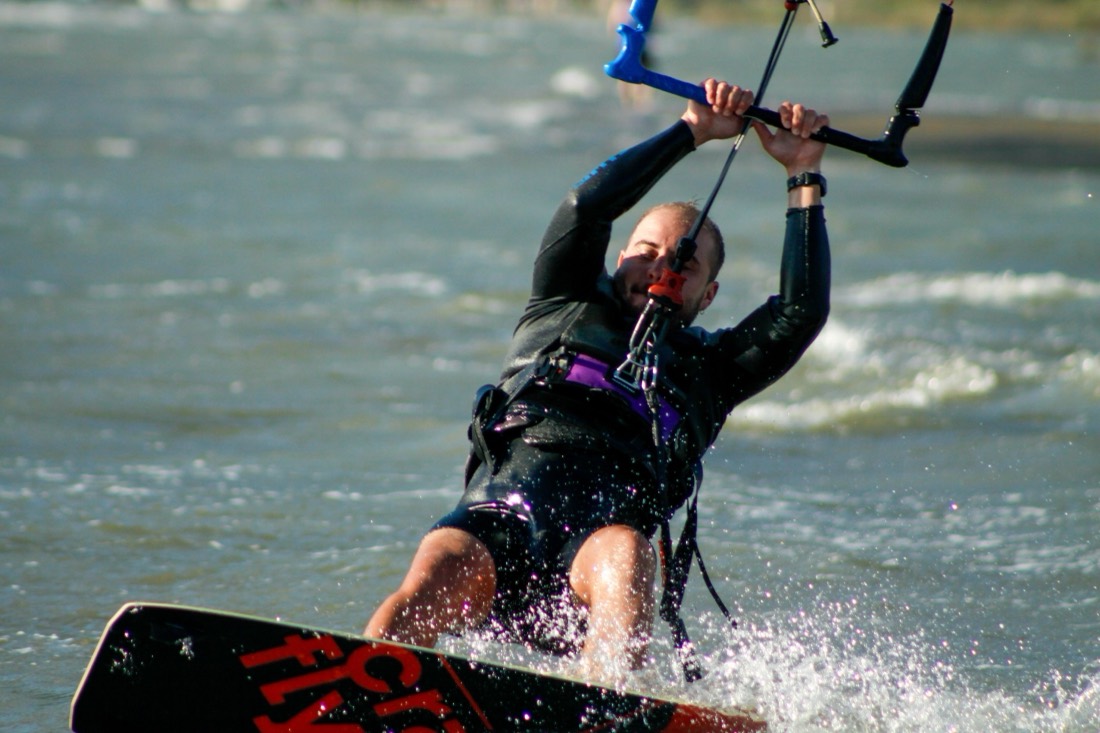 Flagship chapterJericoacoara
 Flagship chapterKanaha, Maui
 Flagship chapterLa Ventana
 Title sponsor openBig Pine Key
 Title sponsor openCancún
 Title sponsor openPuro Miami
 Title sponsor openVeterans Memorial Beach
 EuropeAlaçatı
 EuropeBrouwersdam
 Great LakesCleveland
 Gulf CoastCorpus Christi
 EuropeCosta Teguise
 US West CoastCrissy Field