Chapters / Caribbean and Central America Open, 1 of 1 remaining
Ride Punta Chame, keep it open
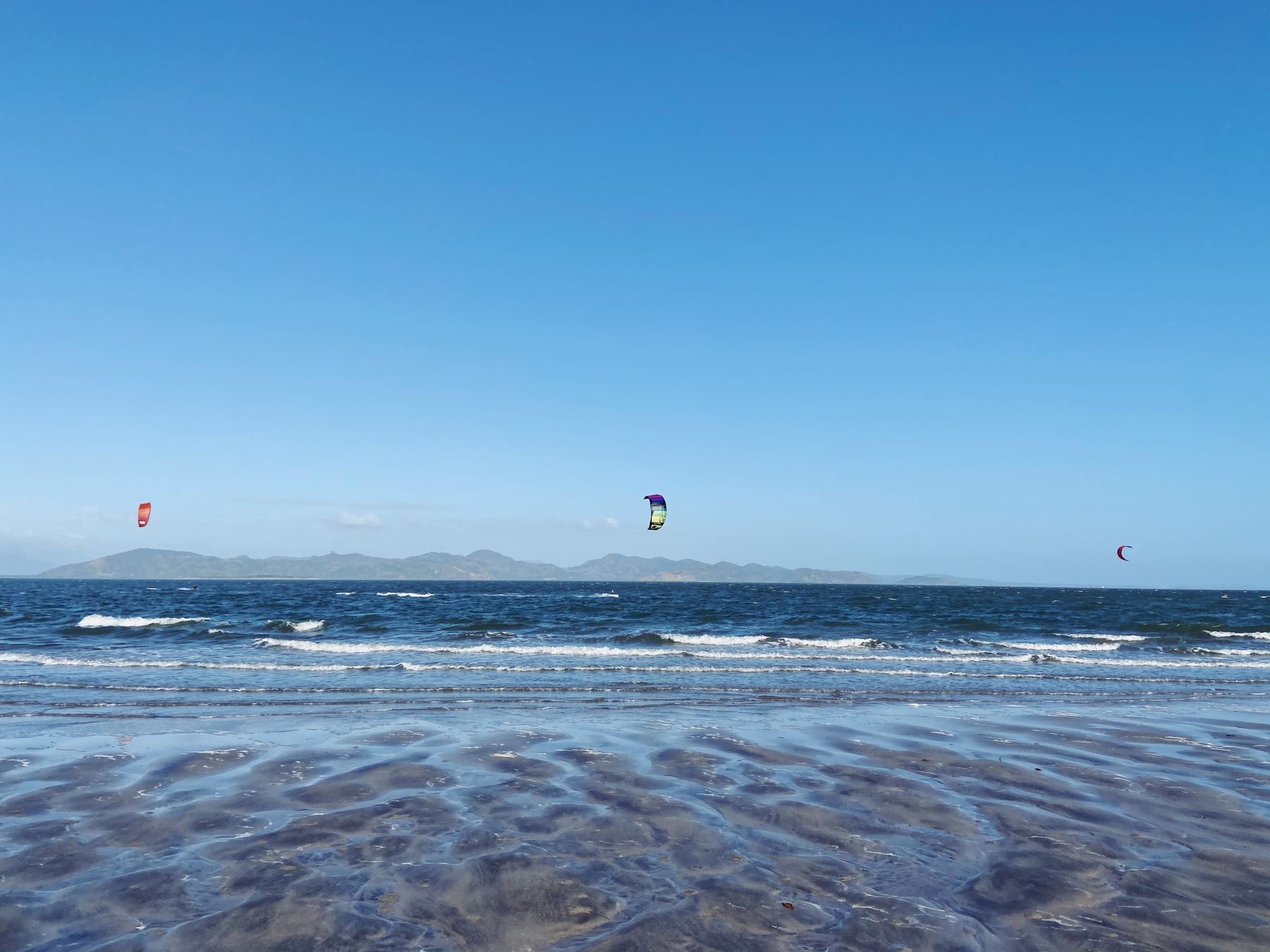
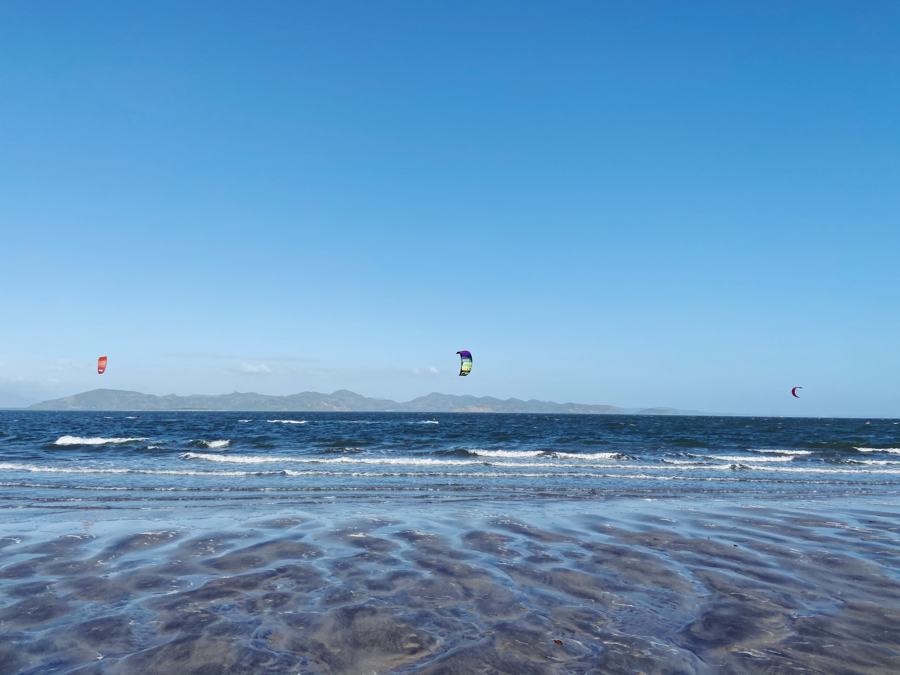
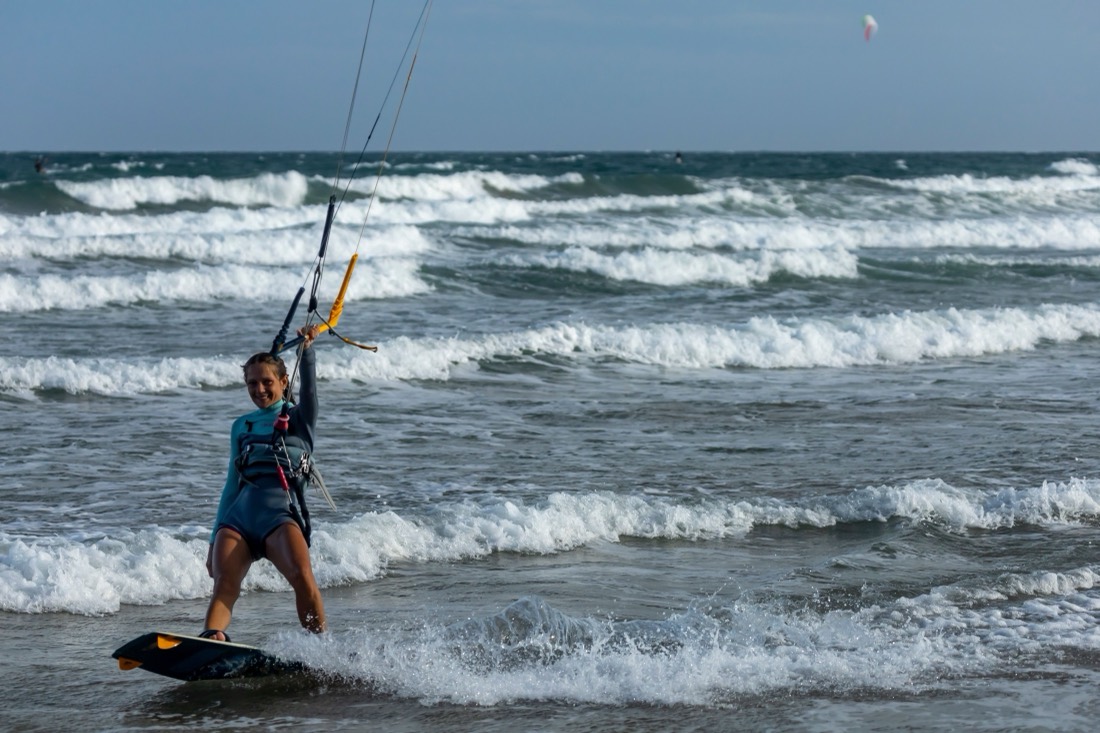
Punta Chame is a long finger of sand on Panama's Pacific coast, with the ocean on one side and a tidal bay on the other, and from December to April the trade winds fill it with kites.
What brings people here, from the people who manage it and the people who ride it.
The season runs from early December to April. In January and February the trades blow about 20 to 25 knots most days, often strong in the morning, easing around midday and building again in the afternoon.
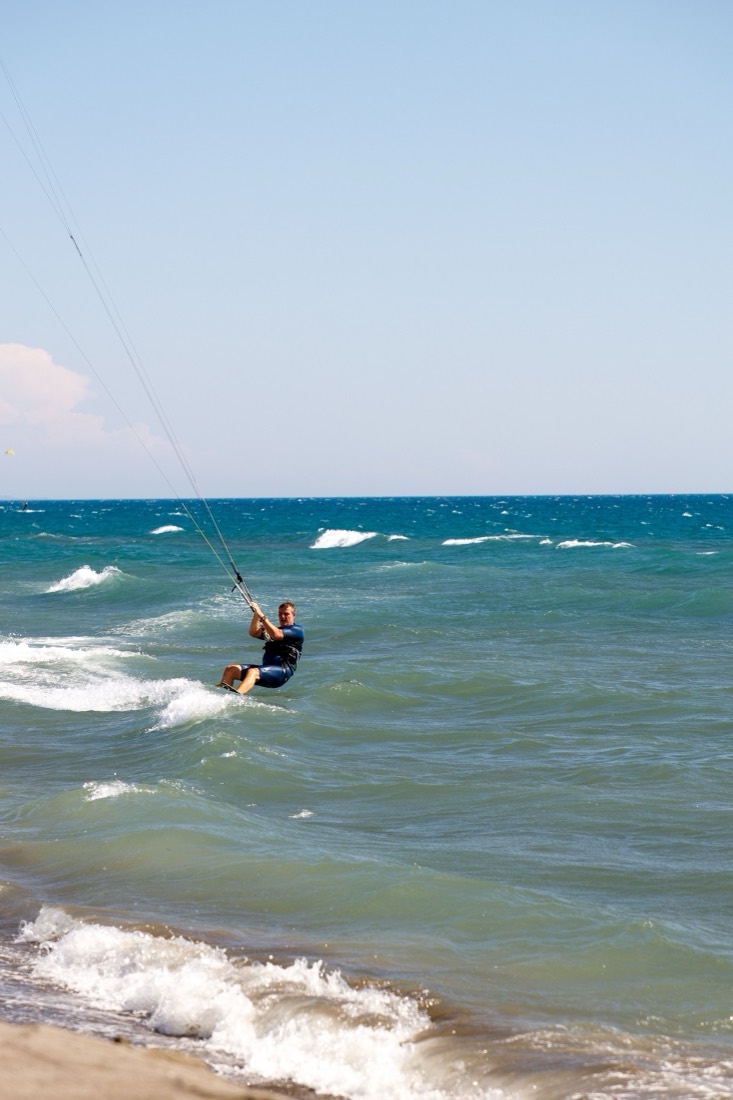
The main kite beach faces Bahía de Chame. At low tide the bay is bump and jump and a large lagoon suits beginners; at high tide the water reaches the beach and smaller waves are good for carving.
The water is about 28 °C, so no wetsuit is needed. Riders typically bring 9 m and 12 m kites.
Protected lagoons, wetlands and the species that depend on them. Stewardship days keep launches clean inside the protected zones.
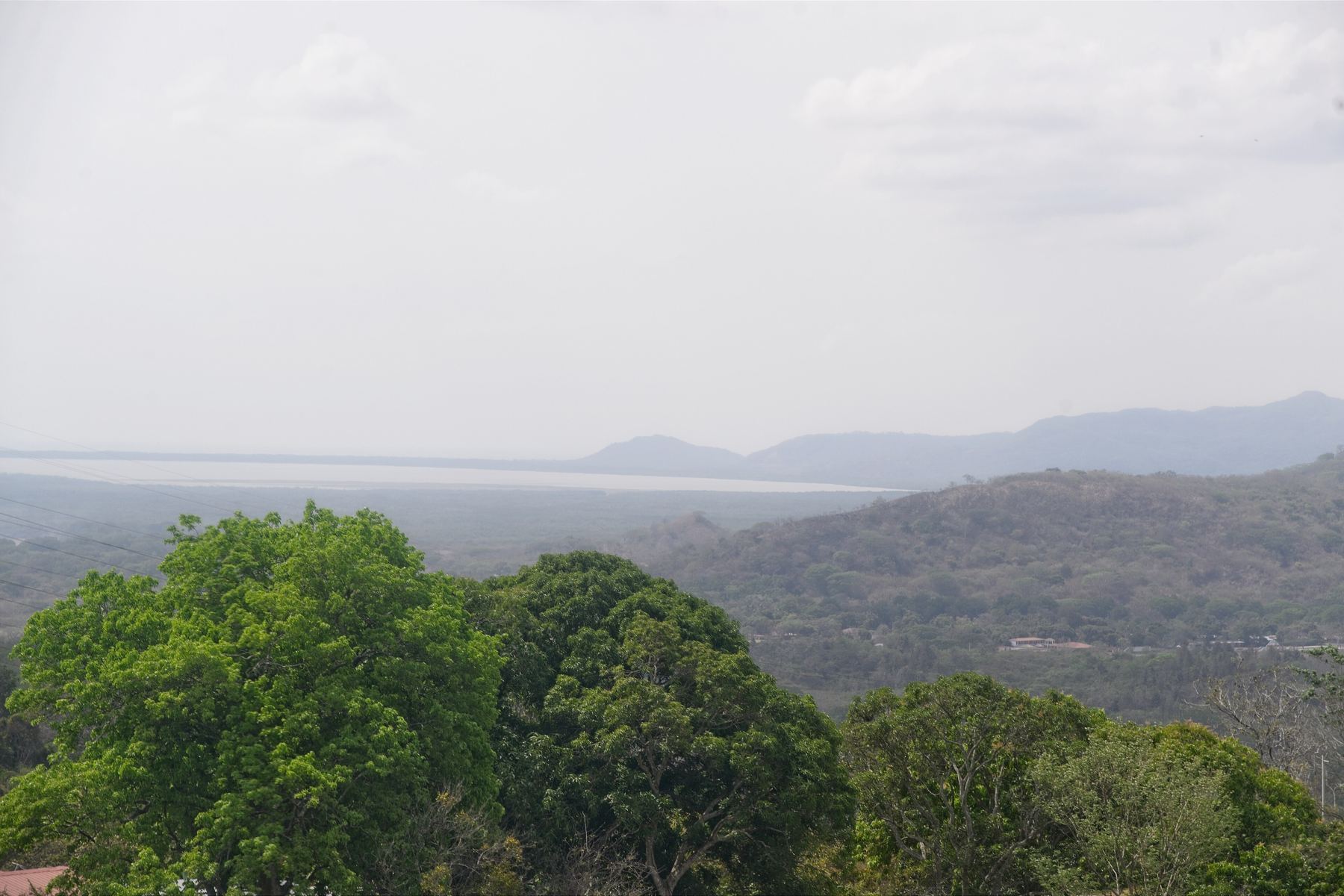
The mangroves of Bahía de Chame were declared protected in 2009. In 2021 prosecutors investigated camps where mangrove wood was being cut and burned for charcoal inside the protected area.
Olive ridley turtles are protected here. In October 2025 the Ministry of Environment patrolled Playa Cabezo in Punta Chame and helped release 763 hatchlings from a local nursery.
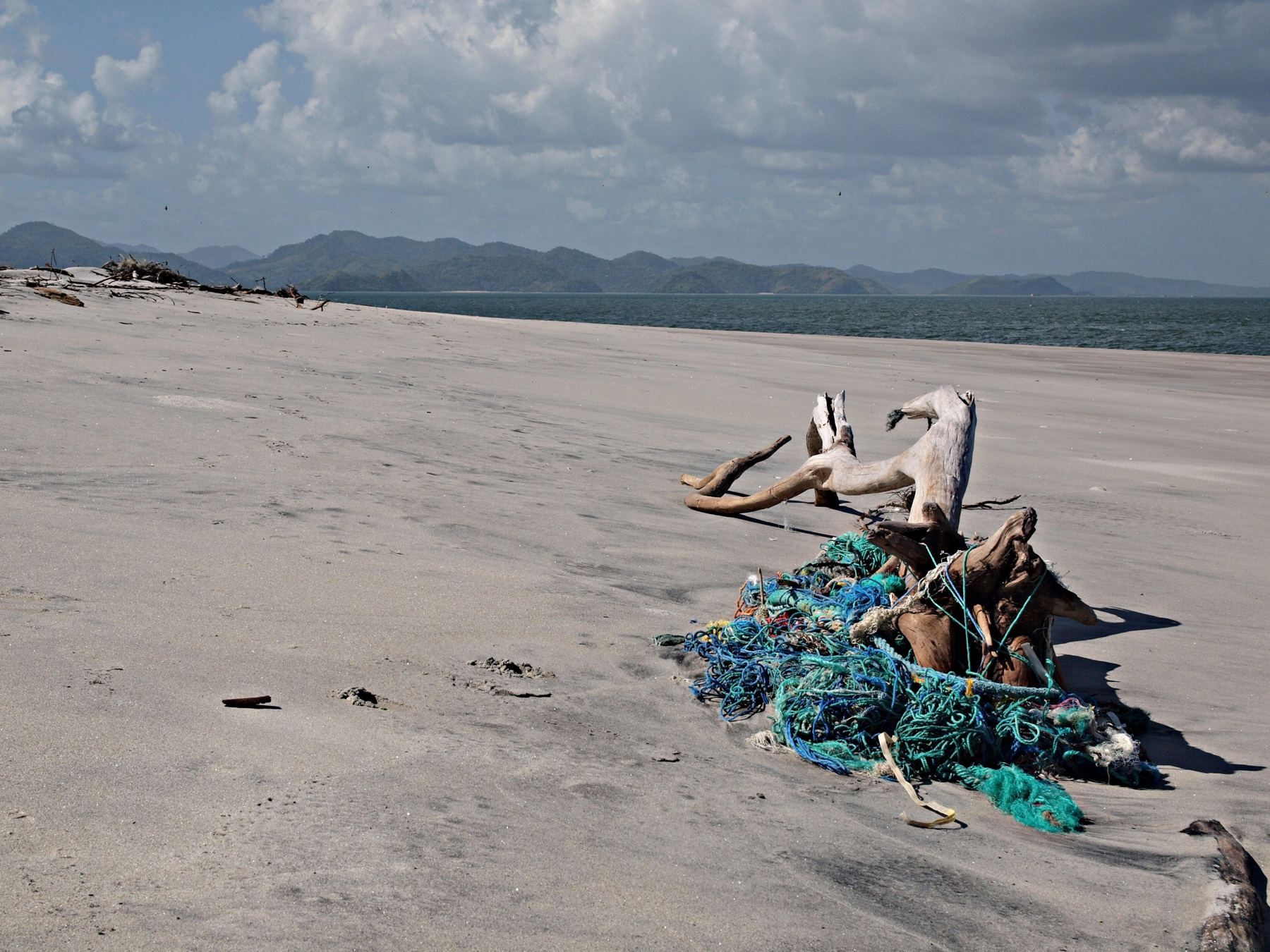
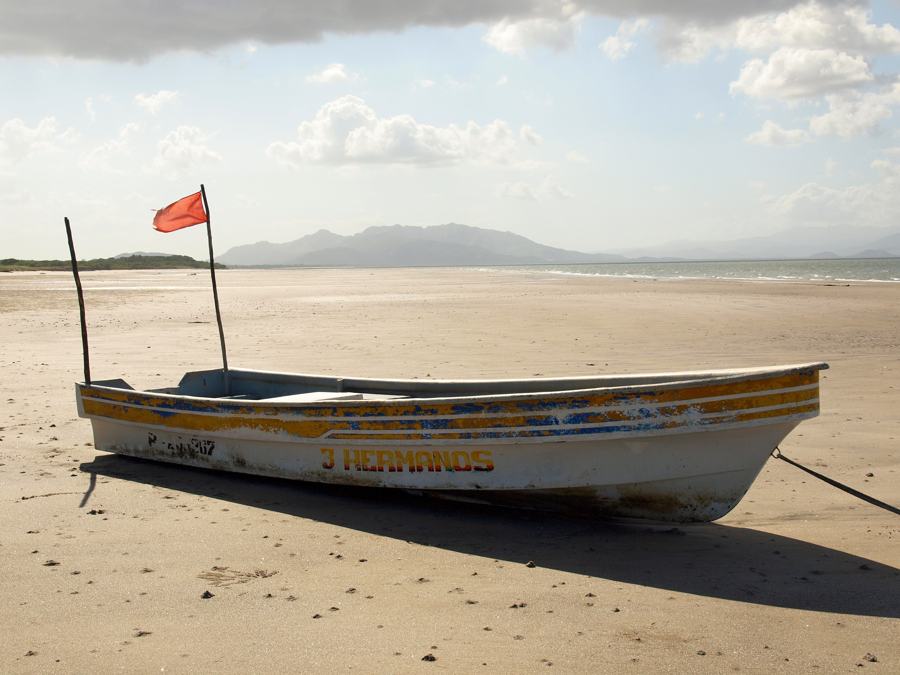
Punta Chame is a promontory about 25 km long on Panama's Pacific coast, with the ocean on one side and Bahía de Chame on the other. A small fishing village sits at the tip.
It is about 1.5 hours west of Panama City, reached from the Pan-American Highway.
Panama Kite Center runs a kite school, rentals and accommodation on the main spot, with IKO-certified courses.
Chame Banks, about ten minutes away on the ocean side of the peninsula, is a wave spot groomed by offshore wind.
Every dry season, the trade winds blow across the Isthmus of Panama and out over the Pacific. At Punta Chame they cross a narrow peninsula about 25 km long, and the tide reshapes the bay every few hours, from flat lagoons to bump and jump.
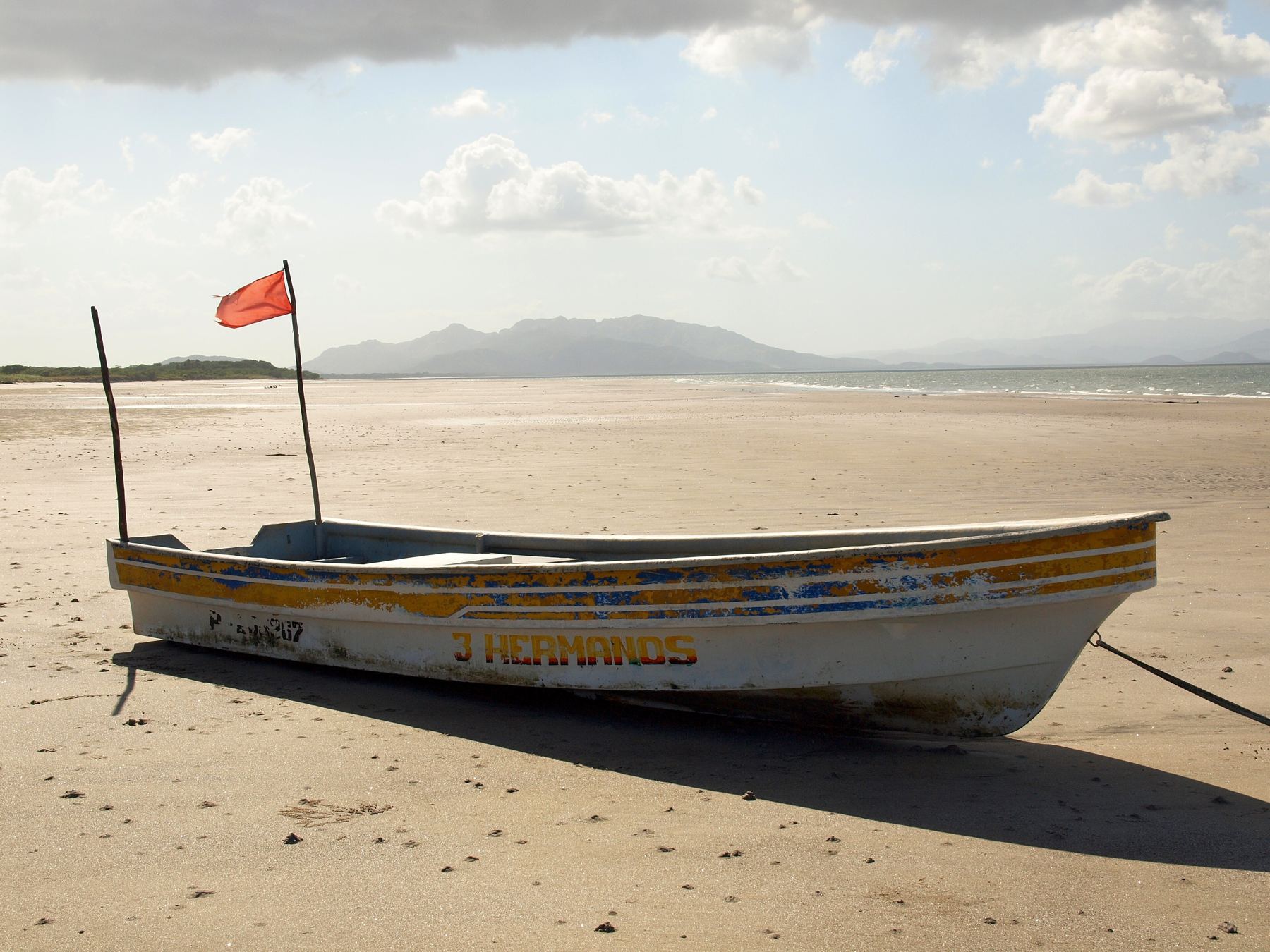
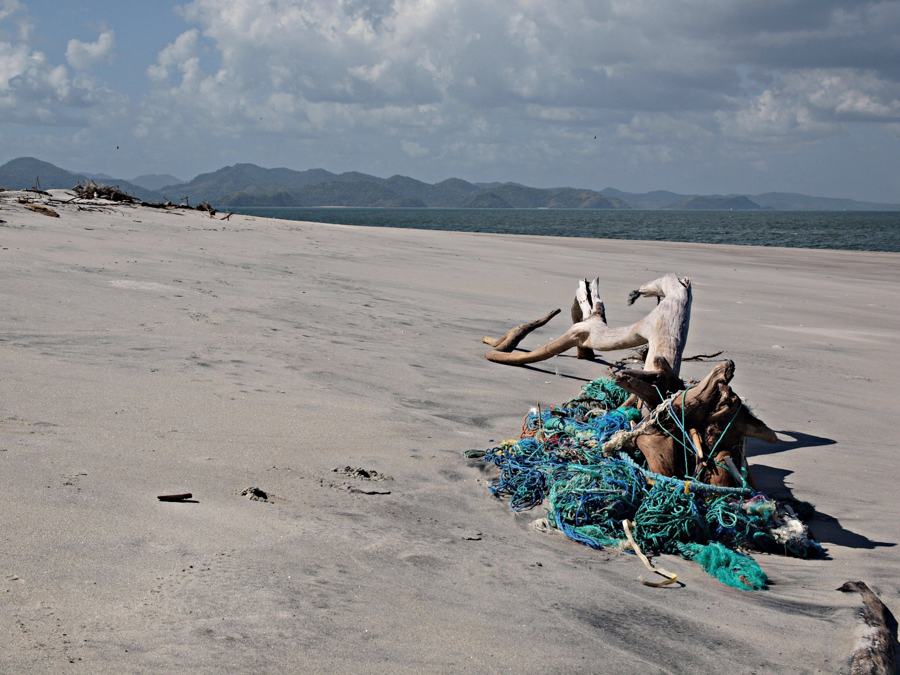
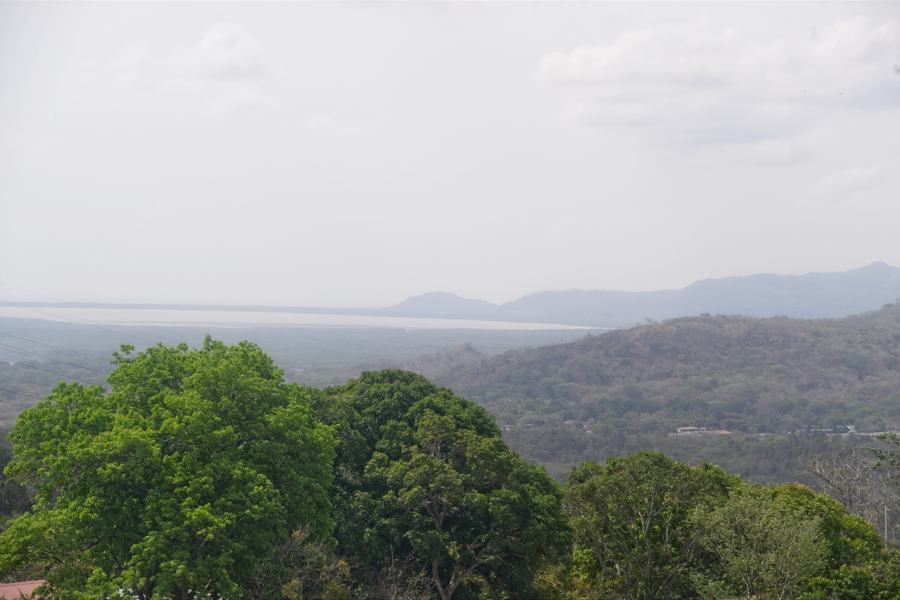
The peninsula is also a small fishing village, and the bay behind it is lined with mangroves that have been protected since 2009 and are still being cleared illegally. Sea turtles nest on its beaches. Kiting here grew up alongside all of that without any written agreement about how the water is shared.
A chapter gives Punta Chame's riders, local and visiting, a way to stand with the village and the protected area: stewardship days, support for turtle and mangrove work, and one voice when the future of the peninsula is decided.
PPanama Kite CenterLocal school teaching on this waterWWSThe chapterHolds the line on access: one standing voice with whoever manages the launch.WWSThe chapterRuns stewardship days, so the people who manage the beach see riders as an asset.WWSThe chapterRuns sponsored certification weekends, so riders are trained and self-policing.PPanama Kite CenterLocal school teaching on this waterWWSThe chapterHolds the line on access: one standing voice with whoever manages the launch.WWSThe chapterRuns stewardship days, so the people who manage the beach see riders as an asset.WWSThe chapterRuns sponsored certification weekends, so riders are trained and self-policing.
iSportsKite, WingiWind spotPunta ChameiKnow thisPunta Chame, Panamá Oeste, about 1.5 hours west of Panama City.iKnow thisTrade winds of 15 to 25 knots from December to April; warm water, big tides.iKnow thisKiters share the bay with a fishing village and a protected mangrove area.iSportsKite, WingiWind spotPunta ChameiKnow thisPunta Chame, Panamá Oeste, about 1.5 hours west of Panama City.iKnow thisTrade winds of 15 to 25 knots from December to April; warm water, big tides.iKnow thisKiters share the bay with a fishing village and a protected mangrove area.
Your gift keeps the chapter running and the beach cared for: cleanup supplies, signage, certification weekends and the costs of being the group the park can call.

 Title sponsor openCrandon Park
 Title sponsor openCumbuco
 Title sponsor openCurry Hammock
 Title sponsor openDakhla
 Title sponsor openHood River
 Title sponsor openTarifa
 Flagship chapterBlouberg, Cape Town
 Flagship chapterCape Hatteras
 Flagship chapterEl Gouna
 Flagship chapterJericoacoara
 Flagship chapterKanaha, Maui
 Flagship chapterLa Ventana
 Flagship chapterLe Morne
 Title sponsor openBig Pine Key
 Title sponsor openCancún
 Title sponsor openPuro Miami
 Title sponsor openVeterans Memorial Beach
 EuropeAlaçatı
 EuropeBrouwersdam
 Great LakesCleveland
 Gulf CoastCorpus Christi
 EuropeCosta Teguise
 US West CoastCrissy Field