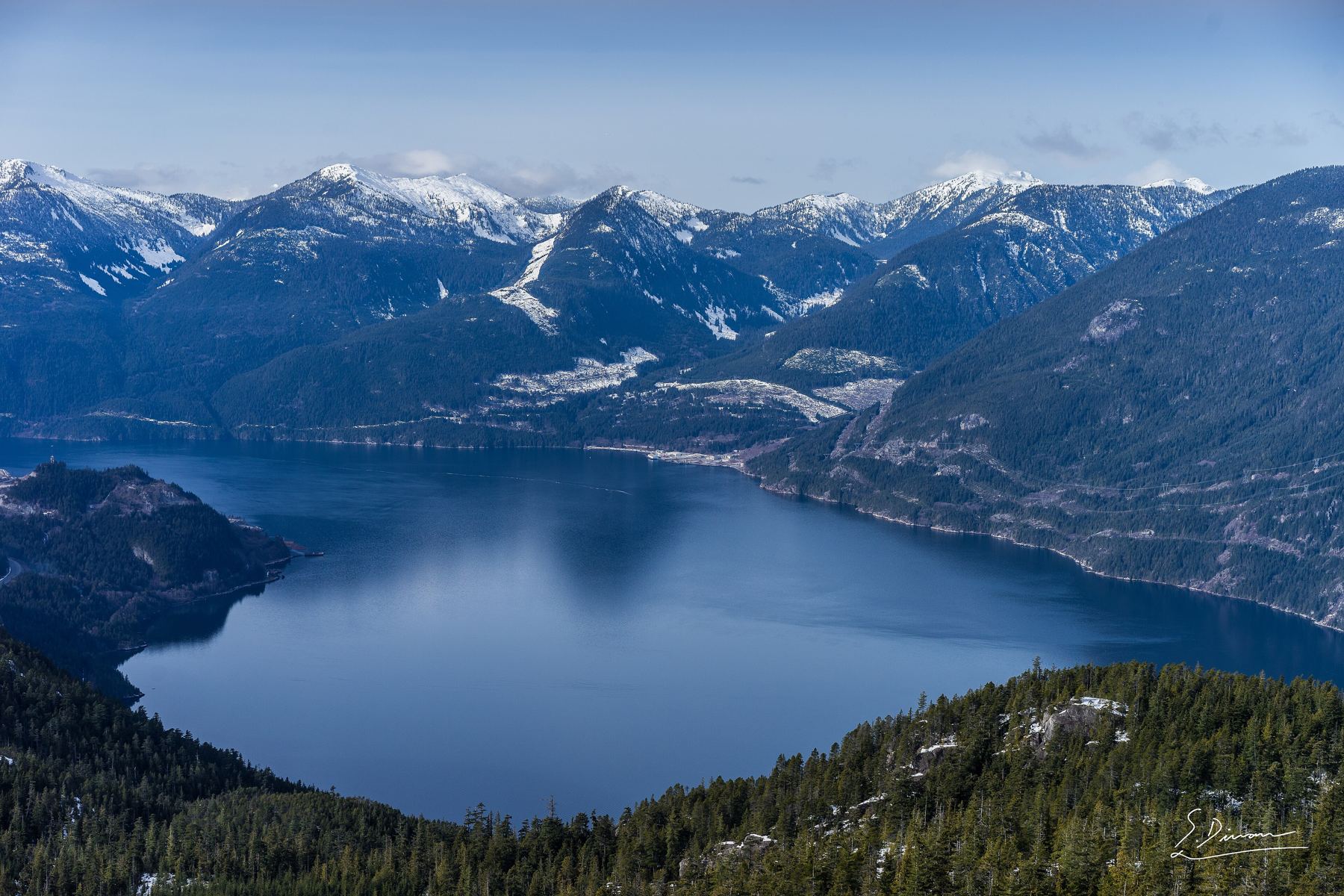
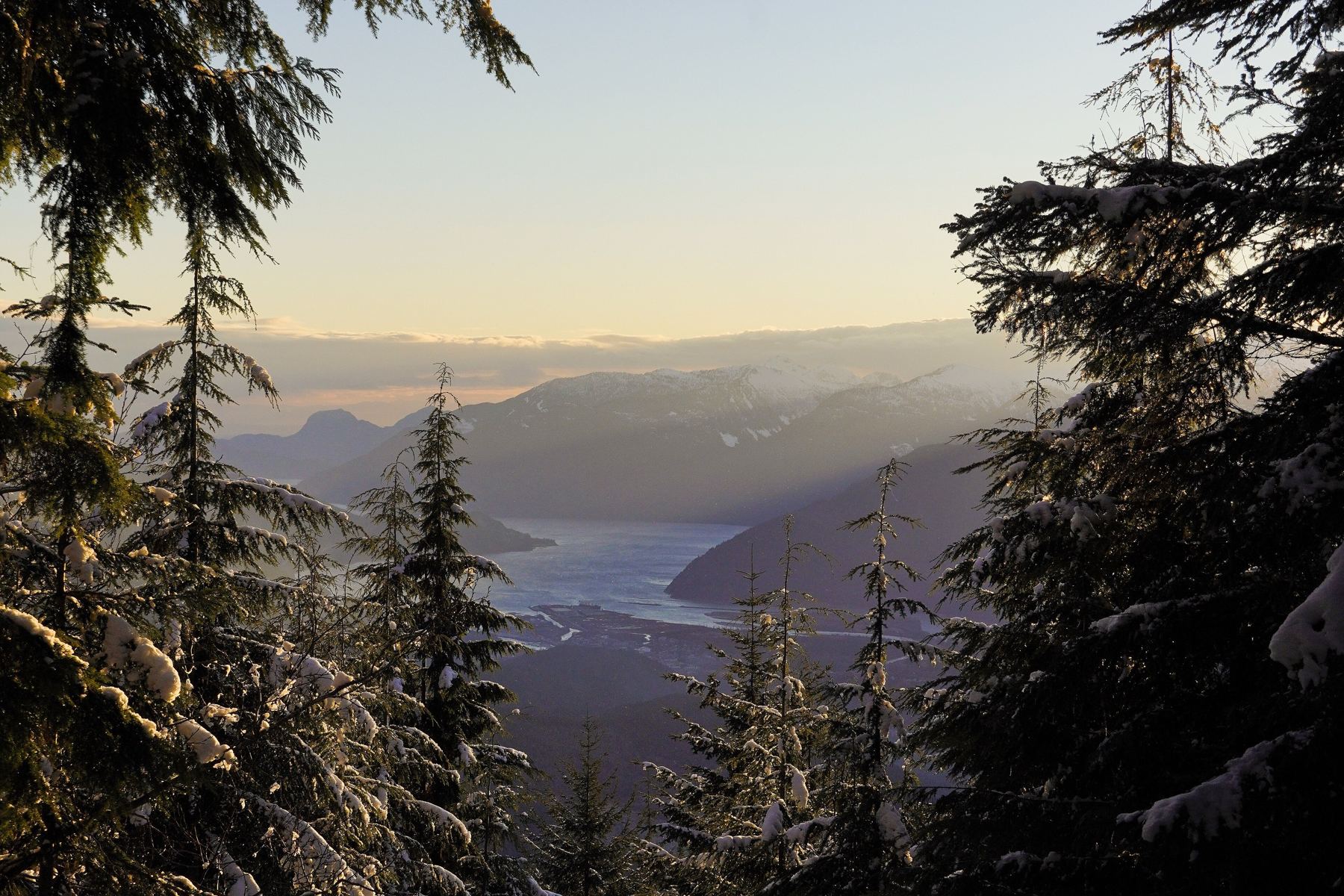
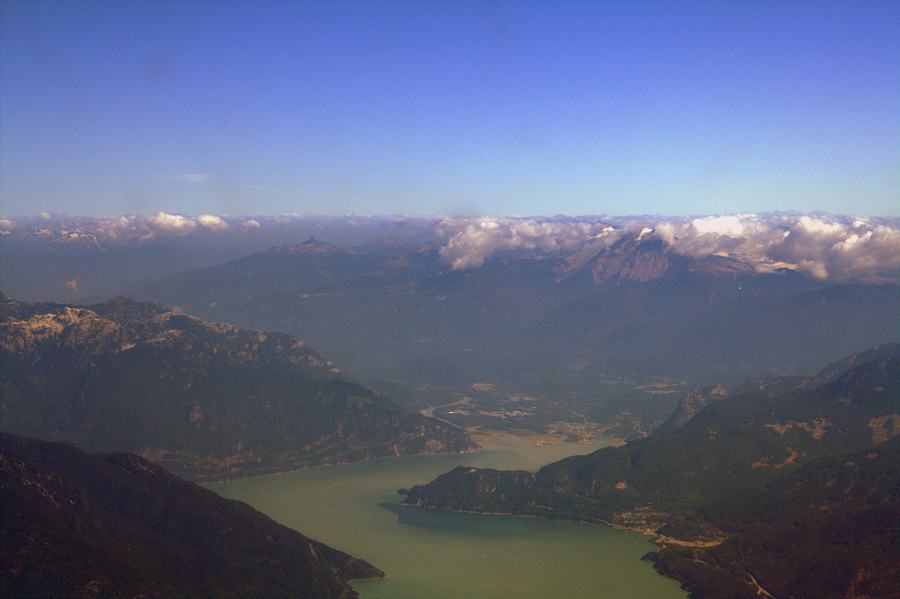
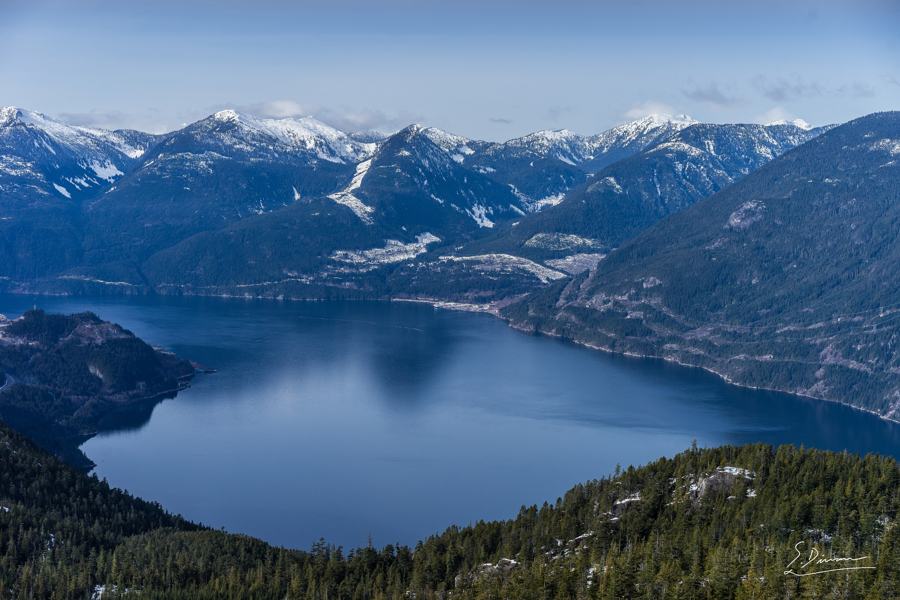
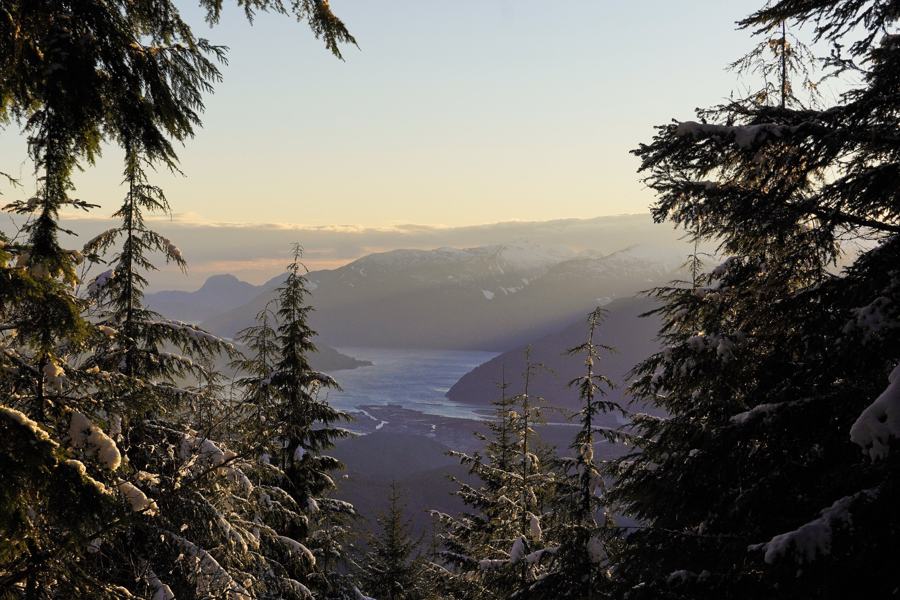
At the head of Howe Sound, summer wind pours up from the ocean into a glacier-fed river mouth, and Squamish riders have built a whole society around one rocky launch.
Local governments and environmental agencies set the terms. The chapter works with them, not around them.
The launch is managed by the Squamish Windsports Society, a non-profit. Riding requires a membership or pass, and riders should check the society's live spot status before going.
In 2022 the society ran a daily boat shuttle from May 15 to September 15 to carry members to the island launch. It had 623 members that season, and the single-pass membership rose from $180 to $280 to cover the shuttle.
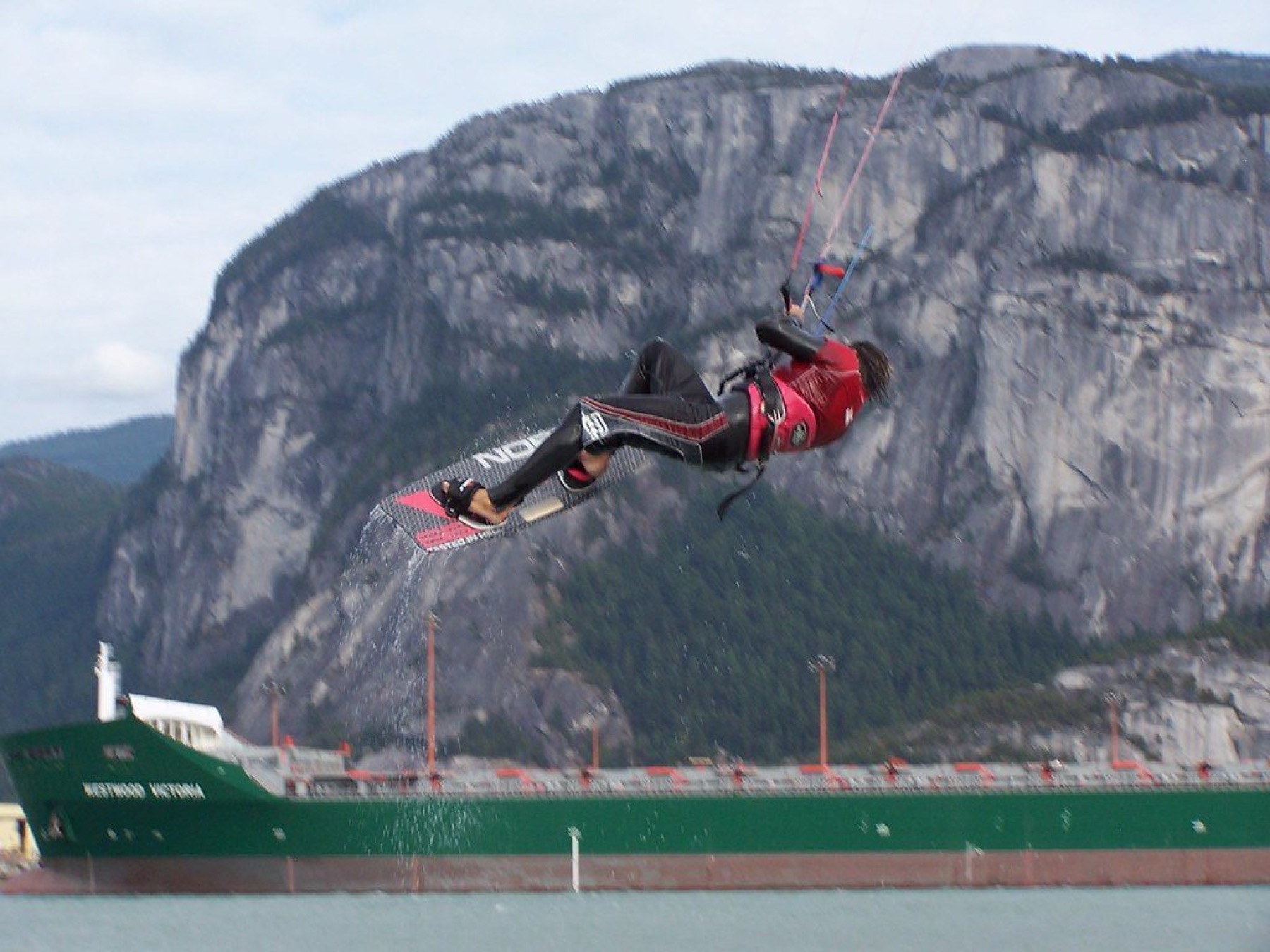
Volunteers run jet ski rescue. Riders who get in trouble can drift into the marsh or toward industrial ships on the downwind shore.
Protected lagoons, wetlands and the species that depend on them. Stewardship days keep launches clean inside the protected zones.
The Spit is a training berm built in 1970 that cut the Squamish River off from the central estuary. It is being removed to restore access for juvenile chinook and other salmon, which use the estuary as a nursery.
The work is led by the Squamish River Watershed Society with the Squamish Nation and requires three to five years of monitoring after construction.
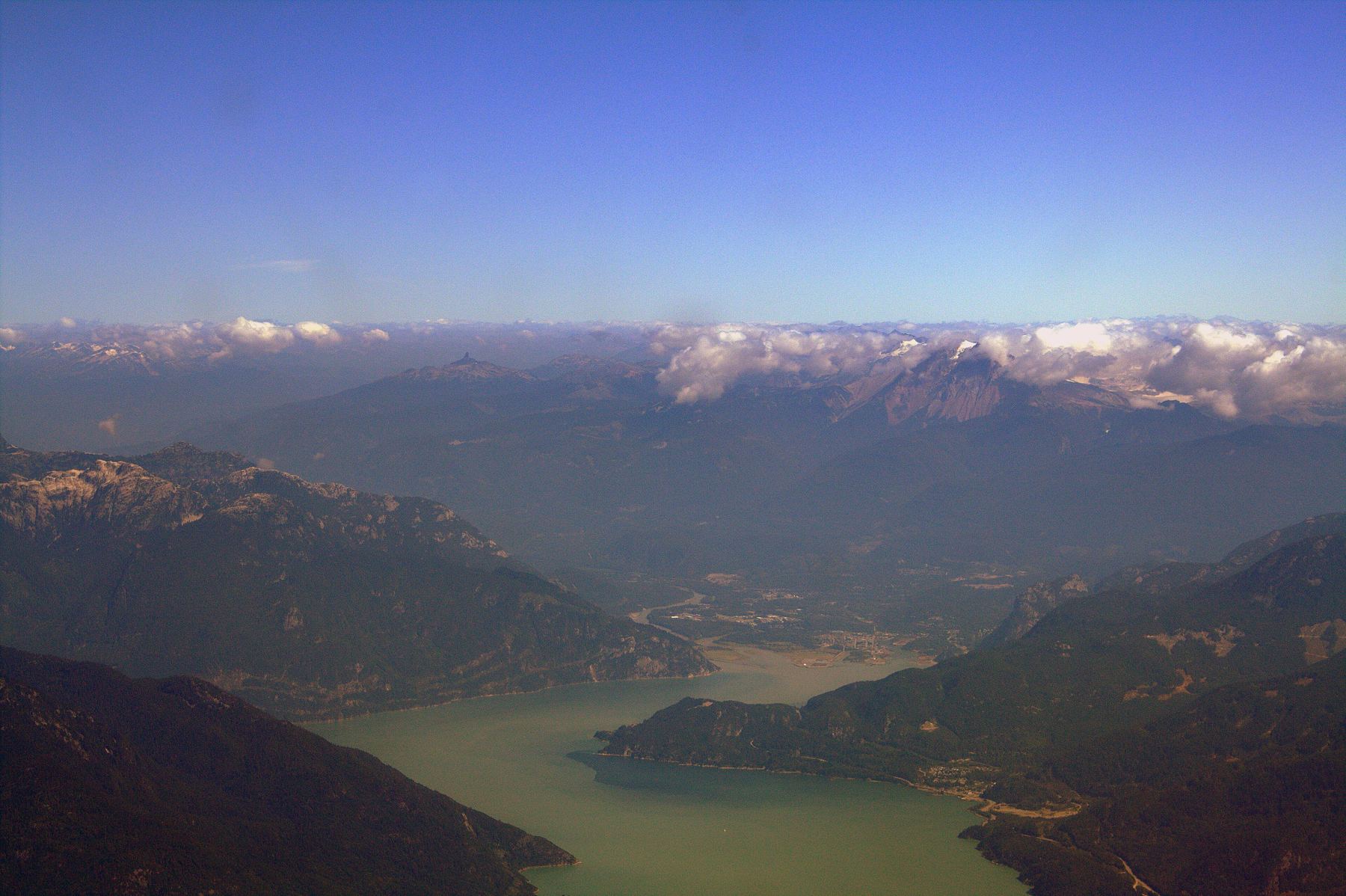
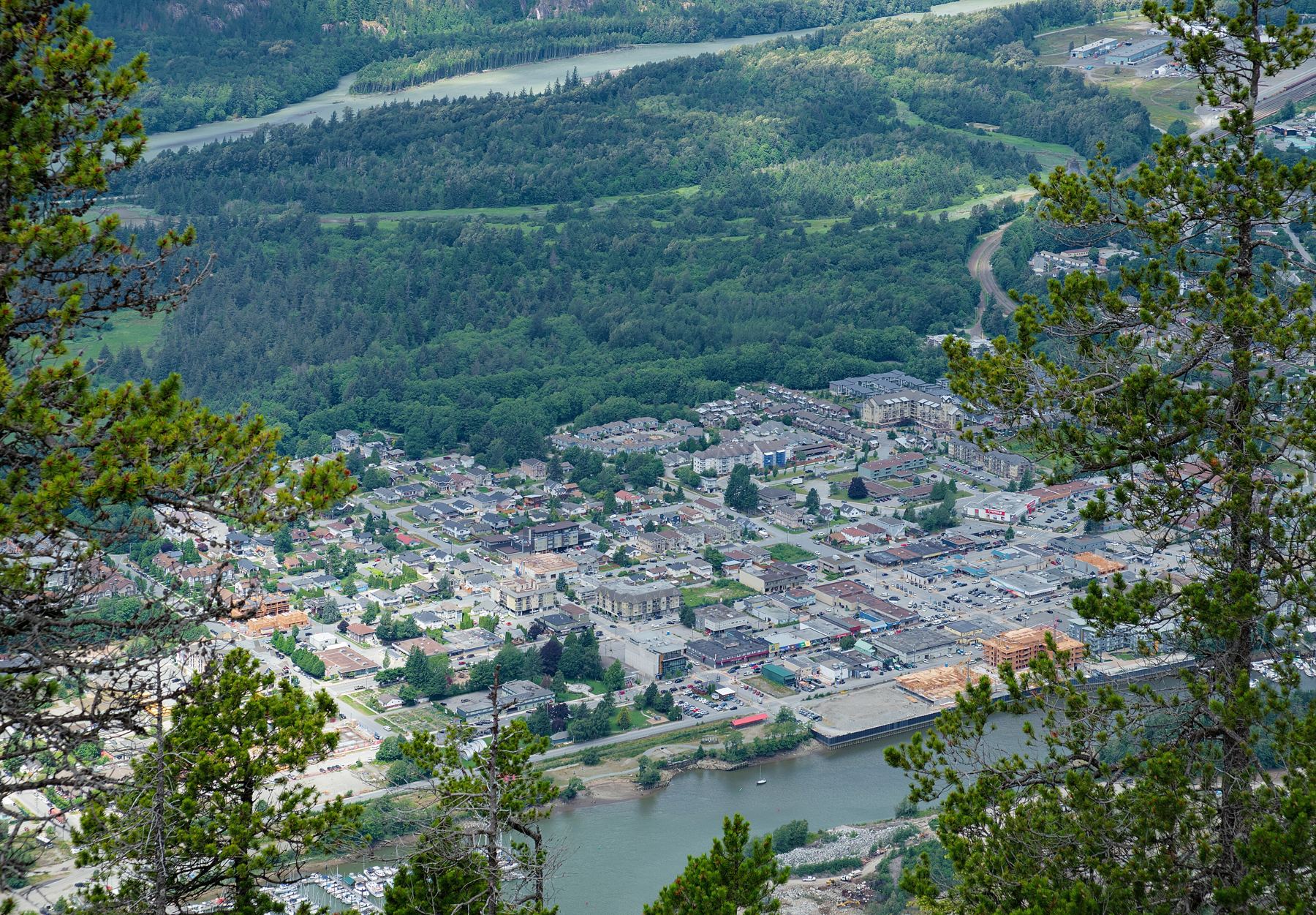
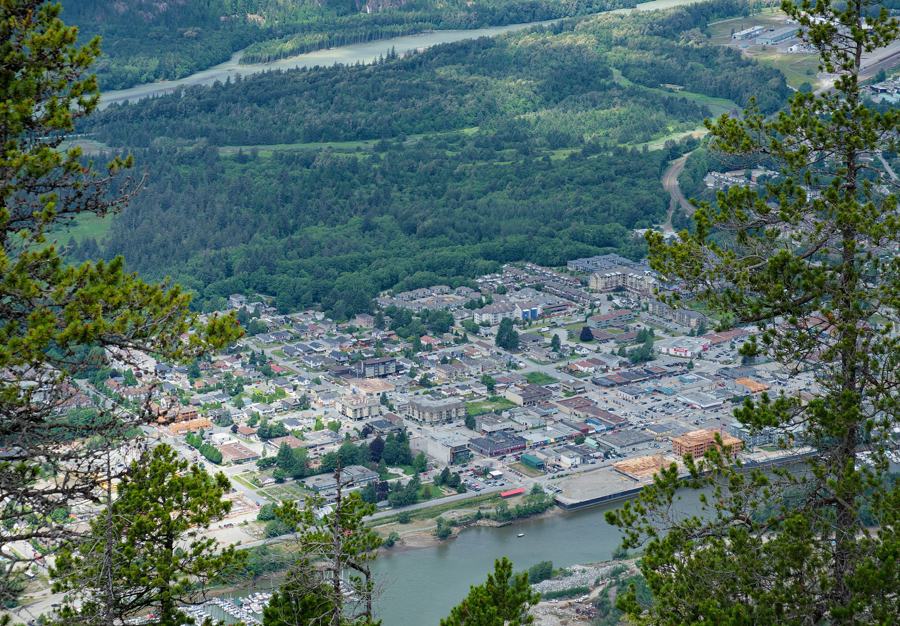
Squamish sits at the head of Howe Sound, about 90 minutes' drive from Vancouver International Airport.
Riders launch from the Spit area at the mouth of the Squamish River, between the river and the estuary. Road access ends about 300 metres short of the launch island.
The society provides bathrooms, changing facilities, a hydraulic pump, rock mats and a live wind meter at the launch.
Squamish Watersports, on the downtown waterfront, offers kiteboarding and wing foiling lessons, including boat-assisted lessons in a quieter part of Howe Sound.
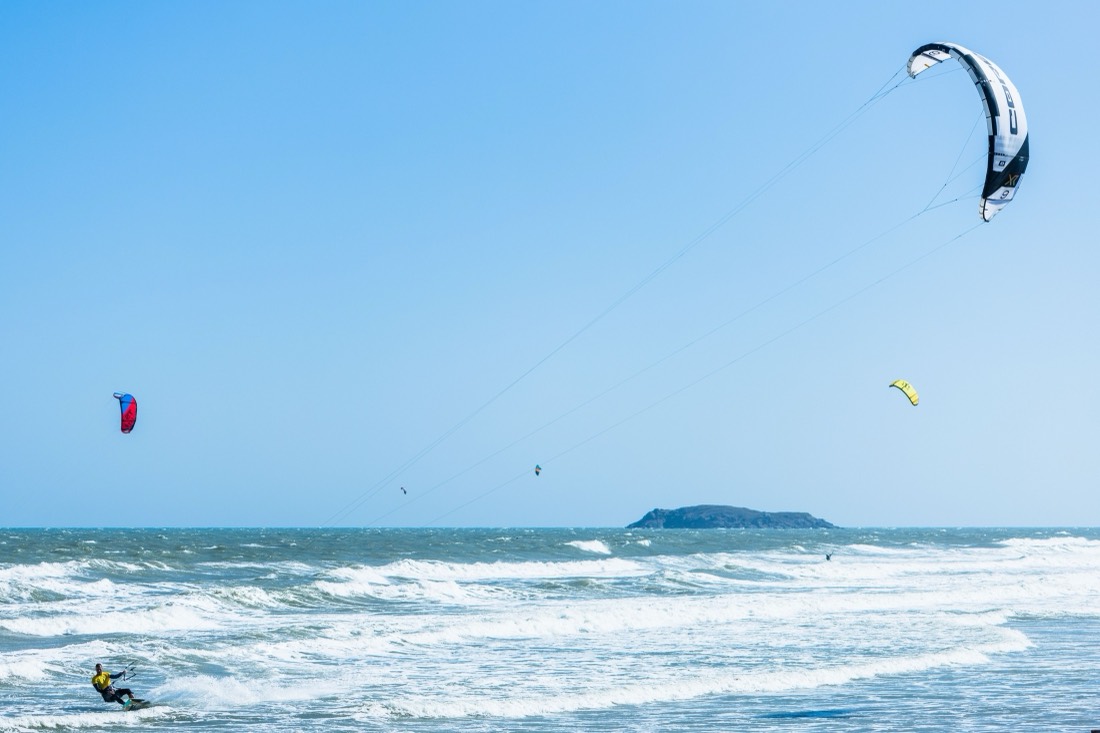
Every summer afternoon, wind funnels up Howe Sound between the mountains and fills in over the mouth of the Squamish River. It is strong and steady, often over 20 mph, and it has made Squamish one of the best-known kite spots in Canada.
Access here has always depended on organisation. The Squamish Windsports Society runs the launch, the rescue crew and the facilities, and riders pay to keep it going. Now the old Spit road is being removed to reopen the estuary to young salmon, and riders reach the launch by boat.
A chapter can stand beside the society: helping riders support the estuary restoration rather than fight it, keeping a safe and welcoming launch, and making sure the next launch site is planned with riders at the table.
SSquamish WatersportsLocal school teaching on this waterWWSThe chapterHolds the line on access: one standing voice with whoever manages the launch.WWSThe chapterRuns stewardship days, so the people who manage the beach see riders as an asset.WWSThe chapterRuns sponsored certification weekends, so riders are trained and self-policing.SSquamish WatersportsLocal school teaching on this waterWWSThe chapterHolds the line on access: one standing voice with whoever manages the launch.WWSThe chapterRuns stewardship days, so the people who manage the beach see riders as an asset.WWSThe chapterRuns sponsored certification weekends, so riders are trained and self-policing.
iSportsKite, WingiWind spotSquamishiKnow thisSquamish, British Columbia, at the head of Howe Sound, about 90 minutes from Vancouver airport.iKnow thisStrong, steady summer afternoon wind; cold glacier-fed water.iKnow thisLaunch managed by the Squamish Windsports Society; membership required, boat shuttle to the island.iSportsKite, WingiWind spotSquamishiKnow thisSquamish, British Columbia, at the head of Howe Sound, about 90 minutes from Vancouver airport.iKnow thisStrong, steady summer afternoon wind; cold glacier-fed water.iKnow thisLaunch managed by the Squamish Windsports Society; membership required, boat shuttle to the island.
Your gift keeps the chapter running and the beach cared for: cleanup supplies, signage, certification weekends and the costs of being the group the park can call.



 Title sponsor openCabarete
 Title sponsor openCrandon Park
 Title sponsor openCumbuco
 Title sponsor openCurry Hammock
 Title sponsor openDakhla
 Title sponsor openHood River
 Title sponsor openTarifa
 Flagship chapterBlouberg, Cape Town
 Flagship chapterCape Hatteras
 Flagship chapterEl Gouna
 Flagship chapterJericoacoara
 Flagship chapterKanaha, Maui
 Flagship chapterLa Ventana
 Flagship chapterLe Morne
 Title sponsor openBig Pine Key
 Title sponsor openPuro Miami
 Title sponsor openVeterans Memorial Beach
 EuropeAlaçatı
 EuropeBrouwersdam
 Great LakesCleveland
 Gulf CoastCorpus Christi
 EuropeCosta Teguise
 US West CoastCrissy Field